
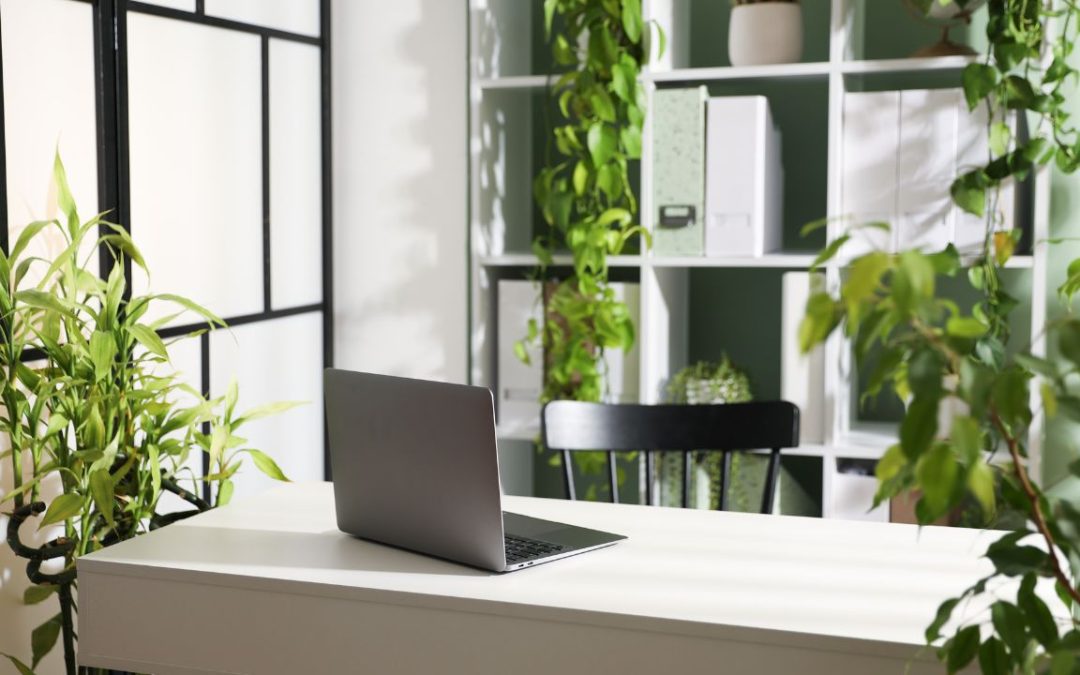
DIY office plant design appeals to budget-conscious businesses seeking workplace wellness improvements without professional service fees. Most attempts fail within months due to inadequate expertise, inconsistent maintenance, and underestimated time requirements. The aesthetic decline of dying plants creates negative impressions on clients and employees, while hidden replacement costs exceed professional maintenance contracts.
Professional plant services eliminate these common plant mistakes through guaranteed plant health and ongoing care. Facilities managers juggling vendor relationships and employee satisfaction discover that professional design delivers measurable ROI through productivity gains and reduced absenteeism.
Key Takeaways
- DIY plant design lacks professional expertise, resulting in 33% of plants dying from overwatering and 32% from underwatering
- 69% of Gen Z plant owners experienced plant deaths, with 32% citing lack of time as the primary abandonment reason
- Professional plant services increase productivity by 15% and reduce workplace stress by 30%
- Full-service maintenance costs $200-$600 monthly, but eliminates hidden replacement costs and employee time loss
- Professional design accounts for 42% of perceived value, creating stronger client impressions and brand image
What Is DIY Office Plant Design and How Is It Different from Professional Services?
DIY office plant design involves purchasing and maintaining plants without professional consultation or ongoing care contracts. Businesses select plants through e-commerce platforms, position them independently, and assign maintenance responsibilities to untrained employees.
Professional services provide comprehensive solutions, including site assessment, species selection, installation, and scheduled maintenance visits. Design sophistication accounts for 42% of perceived value, making professional installations significantly more impactful than self-managed approaches.
Defining DIY Plant Design in Office Environments
DIY approaches rely on purchasing individual plants through online retailers like Bloomscape and The Sill. Care responsibilities fall to office managers, administrative staff, or designated employees without horticultural training.
Plants arrive with basic care cards providing watering schedules and light requirements. Businesses manage placement, watering, fertilization, pruning, and eventual replacement independently.
Key Differences Between DIY and Professional Plant Design
Professional services conduct environmental assessments measuring light levels, temperature fluctuations, and humidity before recommending appropriate species. They account for local conditions specific to each office, including Southern California’s dry climate, HVAC cycling, and seasonal light shifts. DIY purchasers select plants based on appearance or perceived hardiness without site-specific analysis.
Maintenance contracts guarantee plant health through regular technician visits, replacement of declining specimens, and seasonal adjustments. Self-managed installations lack this accountability, resulting in gradual decline and inconsistent aesthetics.
Common Components of DIY Office Plantscapes
E-commerce platforms ship pre-potted plants ranging from $69 to $229 per specimen with decorative containers and care instructions. Popular selections include pothos, snake plants, and ZZ plants marketed as low-maintenance varieties. These shipments rarely account for soil preparation or the right soil mix for each office environment, leaving buyers to manage drainage and nutrient needs without any guidance.
Delivery services provide convenience but lack a cohesive design strategy or spatial planning. Plants arrive individually rather than as coordinated installations aligned with office layout and branding objectives. The generic potting mix used in e-commerce shipments is rarely suited to sealed office conditions, contributing to early decline.
Why Do Businesses Attempt DIY Office Plant Design?
Businesses choose DIY approaches primarily to reduce upfront costs compared to professional design and maintenance contracts. Initial investments appear lower when purchasing individual plants rather than committing to monthly service fees.
Perceived simplicity of plant care encourages self-management among teams already responsible for office environment improvements. 93% of Millennials believe houseplants make them happier, driving demand for workplace greenery initiatives.
Motivations Behind Choosing DIY Over Professional Help
Budget constraints lead facilities managers to purchase plants independently rather than allocating $200-$600 monthly for professional maintenance. Immediate cost savings overshadow long-term viability concerns during initial decision-making.
The convenience of e-commerce delivery eliminates consultation scheduling and site assessment coordination. Plants arrive quickly, allowing businesses to implement biophilic design initiatives without external dependencies.
Popular DIY Plant Products and Services
Bloomscape and The Sill dominate the DIY e-commerce market with curated selections and educational content. Both platforms emphasize accessibility through detailed care guides and customer support resources.
Pricing ranges from $69 for small desk plants to $229 for statement floor specimens. Product descriptions highlight low-maintenance requirements, appealing to time-constrained office environments.
Demographics and Consumer Preferences in DIY Office Planting
Millennials aged 26-42 represent the primary purchasing demographic for office plants and workplace wellness initiatives. Urban Millennials demonstrate 33% increased demand for low-maintenance varieties suited to commercial environments.
Generation Z, aged 18-24, entered the plant market during the pandemic but experienced significant challenges. 93% of Millennials report happiness improvements from houseplants, reinforcing adoption across workplace settings.
What Are the Main Challenges of DIY Office Plant Design?
DIY office plant design fails primarily due to office plant maintenance errors stemming from limited horticultural knowledge. Businesses underestimate the expertise required for proper watering, lighting assessment, and species-specific care requirements.
Inconsistent maintenance schedules result from competing employee priorities and high turnover among responsible staff. 32% of individuals cite lack of time as the primary reason for abandoning plant ownership entirely.
Lack of Expertise and Its Impact on Plant Survival
69% of Gen Z plant owners experienced at least one plant death during their ownership period. Overwatering accounts for 33% of plant deaths, while underwatering causes 32% of failures.
Improper lighting kills 28% of plants as employees position specimens based on aesthetics rather than environmental requirements. Without professional assessment, businesses place low-light species in bright windows and sun-loving varieties in dark corners.
Time and Maintenance Burdens on Employees
Responsibility for plant care falls on untrained administrative staff or volunteers without compensation or schedule protection. 32% of plant owners abandon the hobby due to insufficient time for proper maintenance.
Watering schedules conflict with business travel, vacation coverage, and competing workplace priorities. Sick or declining plants require diagnostic troubleshooting beyond the capacity of busy employees.
Design and Aesthetic Limitations in DIY Approaches
DIY services compete on convenience and accessibility but struggle with long-term viability in commercial environments. Individual plant purchases lack spatial coordination, resulting in haphazard arrangements rather than cohesive design.
Species selection based on online descriptions fails to account for specific environmental conditions within office spaces. Mismatched containers, inconsistent sizes, and poor placement undermine the professional appearance businesses seek. DIY buyers rarely consider how a plant’s foliage color palette coordinates with existing interior tones, or how different frame styles on display walls affect the overall visual balance of a space.
How Does DIY Failure Affect Office Environments and Business Outcomes?
Dying plants create negative impressions on clients during office visits and damage employee morale. Visual decline signals neglect and undermines corporate wellness messaging, contradicting sustainability and employee care initiatives.
Hidden costs from constant replacement and lost employee productivity exceed professional maintenance contract fees. These DIY plant design pitfalls compound over time as facilities managers cycle through repeated purchase-and-replacement patterns.
Negative Impressions on Clients and Staff
Aesthetic decline from dying or struggling plants communicates poor attention to detail during client meetings. Brown leaves, drooping stems, and empty containers detract from otherwise professional office presentations.
Employees interpret neglected plants as symbolic of broader organizational dysfunction or resource constraints. Failed biophilic initiatives reduce confidence in leadership’s commitment to workplace wellness programs.
Hidden Costs of Plant Replacement and Employee Time Loss
Constantly replacing dead plants costs more long-term than professional maintenance contracts guaranteeing plant health. Facilities managers spend $69-$229 per replacement plus shipping, accumulating significant annual expenses.
Lost productivity from employees troubleshooting plant problems, researching care requirements, and shopping for replacements exceeds anticipated savings. DIY approaches often prove more expensive than professional services when accounting for total costs.
Impact on Workplace Wellness and Productivity
Failed plant initiatives eliminate potential productivity gains and wellness improvements that motivated the original investment. Professional plantscapes can increase productivity by 15% and reduce workplace stress by 30%.
Removing dying plants or leaving empty containers abandons biophilic design benefits, including improved air quality. Health complaints remain unchanged rather than decreasing by the 21% observed with properly maintained professional installations.
What Are the Benefits of Professional Office Plant Design?
Professional services guarantee plant health through species-appropriate care, environmental monitoring, and immediate replacement of declining specimens. Scheduled maintenance visits by trained technicians eliminate employee time burdens and ensure consistent aesthetics.
Professional plant services benefits include measurable ROI through productivity improvements, reduced absenteeism, and enhanced brand image. Comprehensive solutions address both design sophistication and long-term viability simultaneously.
Ensuring Plant Health and Longevity
Professional technicians assess light levels, temperature ranges, and humidity before recommending species suited to specific locations. Regular visits include watering, fertilization, pruning, pest management, and seasonal adjustments.
Guaranteed replacement policies ensure consistently healthy specimens without additional client costs or coordination efforts. Maintenance contracts eliminate plant mortality risks that plague DIY installations.
Enhancing Workplace Aesthetics and Brand Image
Design sophistication accounts for 42% of perceived value in professional landscaping installations. Coordinated species selection, container styling, and spatial arrangement create cohesive visual impact.
Professional installations elevate brand image during client visits and support corporate sustainability messaging. Many installations incorporate containers made from sustainable materials that reinforce environmental values while complementing the office’s interior color palette. Strategic placement enhances architectural features while dividing space without harsh barriers.
Measurable ROI Through Productivity and Wellness Gains
Plants increase employee productivity by 15% through improved air quality and psychological benefits. Biophilic design reduces workplace stress by 30%, contributing to better retention rates.
Professional plantscapes decrease health complaints by 21%, reducing absenteeism and associated costs. These measurable outcomes justify maintenance investments when improving office well-being and productivity becomes a strategic priority.
How Can Businesses Transition from DIY to Professional Plant Design?
Businesses transition from DIY to professional services through partial consultations, full-service contracts, or maintenance-only arrangements. Partial consultations provide professional design plans with customer-managed installation, costing $500-$2,000 as a one-time fee.
Full-service options include design, installation, and ongoing maintenance ranging from $200-$600 monthly, depending on scale. Maintenance-only services preserve existing plant investments through professional care at $100-$400 monthly.
Partial Consultation vs. Full-Service Design Options
Full-service professional design delivers complete solutions, including site assessment, species selection, installation, and scheduled maintenance visits. Contracts guarantee plant health through regular technician care and immediate replacement of declining specimens.
Partial consultations offer professional design plans and species recommendations while leaving installation and maintenance to clients. This approach reduces costs but maintains DIY maintenance burdens and associated failure risks.
Choosing the Right Professional Service for Your Office Needs
Professional service leaders like Ambius and Natura HQ provide comprehensive commercial solutions with national service networks. Ambius operates as a Rentokil Initial subsidiary with extensive resources and standardized service protocols.
Regional providers offer personalized attention and local expertise suited to specific climate conditions and design preferences. Choosing an interior plant design company requires evaluating service guarantees, maintenance frequency, and replacement policies.
Integrating Professional Care with Existing Plantscapes
Maintenance-only services protect existing plant investments by providing professional care for customer-purchased specimens. Technicians assess current installations, recommend replacements for unsuitable species, and establish maintenance schedules.
This transitional approach preserves previous investments while preventing continued decline and replacement cycles. Professional evaluation often reveals environmental mismatches explaining previous DIY failures.
What Do Successful Professional Office Plant Designs Look Like?
Professional installations demonstrate design sophistication through coordinated species selection, strategic placement, and architectural integration. Successful office plant design implementation addresses both immediate visual impact and long-term maintenance requirements.
Case studies reveal how professional design creates functional space division, enhances brand identity, and supports employee wellness. Documented projects demonstrate measurable improvements in client impressions and workplace satisfaction.
Case Study: Simon Kucher Office Transformation
Meristem Design transformed a Central London office for Simon Kucher using living picture frames and green space dividers. The design followed a gallery wall formula, applying float mounting techniques to fix plant panels directly onto walls without bulky frameworks. Strategic placement created spatial division without barriers, maintaining collaborative flow in open-plan layouts.
Species including Ficus Lyrata and Monstera Deliciosa enhanced employee wellbeing while reinforcing sustainability-focused brand messaging. Desk enhancements brought biophilic benefits directly to individual workstations.
Case Study: North Loop Green – Seamless Integration in New Builds
Plants By Design outfitted a 14-story office building in Minneapolis called North Loop Green through construction-phase collaboration. Working alongside architects ensured plantscape integration from the lobby through individual office floors.
Complex renderings became reality through professional coordination and species selection suited to varied lighting conditions. Visual continuity created seamless experiences for employees and visitors throughout the building.
Lessons Learned from Real-World Projects
Successful projects emphasize early collaboration between designers and architects to integrate plant installations with construction timelines. Coordination ensures proper irrigation access, adequate lighting, and load-bearing considerations for large specimens.
Species diversity creates visual interest while preventing total loss from pest infestations or disease. Balancing aesthetics and functionality requires understanding both design principles and horticultural requirements.
Why Professional Plant Design Is the Superior Choice for Office Environments
Professional plant design eliminates the expertise gaps, time burdens, and aesthetic inconsistencies plaguing DIY approaches. Guaranteed plant health through scheduled maintenance prevents the replacement cycles that make DIY installations more expensive long-term.
Measurable productivity gains of 15% and stress reductions of 30% justify professional service investments through improved business outcomes. Strategic design creates lasting impressions on clients while supporting employee retention in competitive talent markets.
Professional services transform workplace environments through coordinated design that DIY approaches cannot replicate. They support dynamic work design by adapting plant selections and layouts as office needs evolve, and they apply a model of continuous improvement through regular technician reviews and seasonal updates. The global indoor plant market, reaching USD 15.29 billion by 2035, reflects growing recognition that workplace greenery requires specialized expertise for successful implementation. Professional installations deliver consistent results while freeing internal teams from maintenance responsibilities and technical troubleshooting.
For Orange County businesses seeking reliable workplace improvements, Mr. Plant SoCal provides professional plant design and maintenance backed by 38 years of experience. Their 1,200+ satisfied customers and 4.8-4.9 star ratings across 350+ reviews demonstrate the difference professional expertise makes in creating thriving office environments.
Ready to Stop Replacing Plants and Start Seeing Results?
Mr. Plant SoCal has served Orange County commercial businesses since 1980. Our team handles everything — from soil preparation and the right potting mix for your specific local conditions to species selection, sustainable materials sourcing, and ongoing maintenance. Whether you want a single statement corner, a dynamic work design with green zones throughout your office, or a gallery wall with float-mounted plant panels, we build it right the first time and maintain it through a continuous improvement process that keeps your space looking its best year-round. Contact us to book a free in-person design consultation.

