
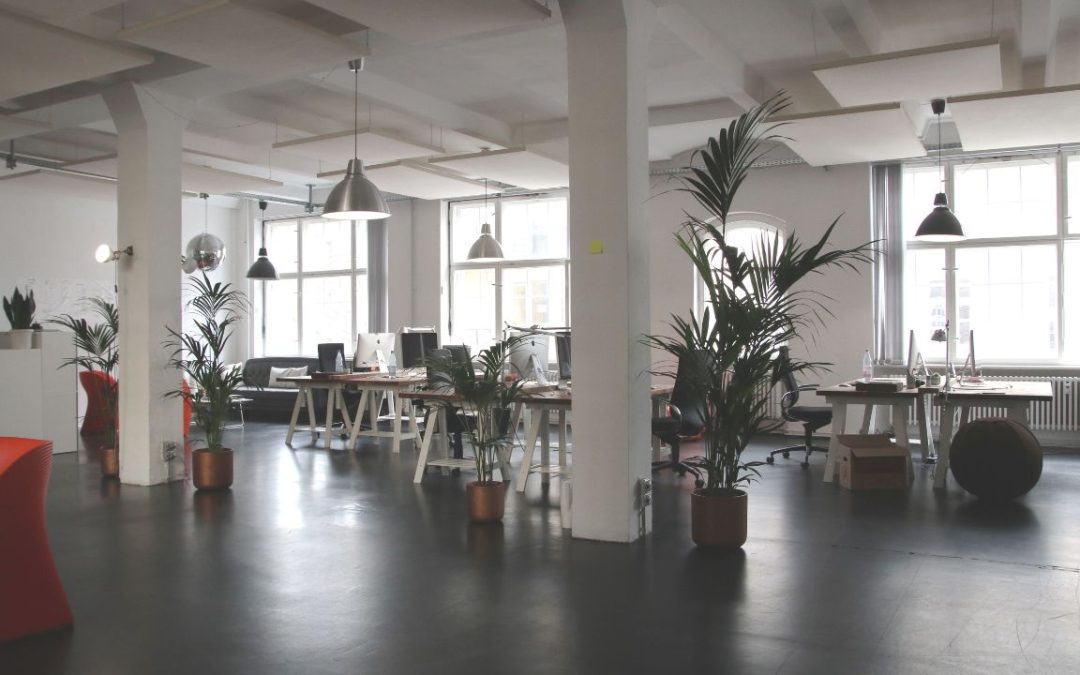
The integration of nature into commercial workspaces has evolved from aesthetic preference to strategic business requirement. Organizations investing in office plant design now benefit from documented improvements in employee productivity, reduced absenteeism, and enhanced corporate reputation during a competitive talent market.
The global indoor plants market reached $22.6 billion in 2025 and is projected to grow to $32.7 billion by 2032. This expansion reflects widespread recognition that professional plant installations deliver measurable returns through improved air quality, cognitive performance, and employee satisfaction metrics.
Key Takeaways
- Professional plant design improves air quality, reducing sick days by 15% in workspaces with strategic greenery
- Biophilic design delivers 26% higher cognitive function and 200% improved wellbeing metrics in certified green buildings
- Dying or mismatched plants damage corporate image and signal inadequate attention to workplace environment quality
- Smart IoT systems and vertical gardens optimize limited floor space while delivering measurable productivity gains
- Strategic plant installations save over $2,000 per employee annually through improved focus and reduced healthcare costs
Sign 1: Your Office Has High Absenteeism and Poor Air Quality
High absenteeism and sick building syndrome indicate inadequate air quality requiring immediate plant design intervention. Forty percent of US workers report taking sick days from poor environmental conditions, while 72% experience frequent disruption from air quality issues that strategic plant installations effectively address.
Sign 2: Productivity and Creativity Have Stalled
Stagnant productivity and creativity suggest sterile environments suppressing cognitive function through a lack of natural elements. Research documents 15% productivity improvements and 26% higher cognitive scores in biophilic interiors compared to conventional office spaces without strategic greenery.
Sign 3: Your Plants Are Dying, Mismatched, or Outdated
Aesthetic obsolescence through dying, mismatched, or dusty plants damages corporate image during client and candidate interactions. These visible failures signal organizational inattention to workplace quality, creating competitive disadvantages when recruiting talent expecting wellness-oriented modern environments.
Sign 4: You’re Losing the Talent Competition
Recruitment and retention challenges reflect employee expectations for biophilic design elements supporting daily well-being. Modern workers, particularly younger demographics, prioritize wellness features when evaluating employment opportunities, making plant design essential for competitive talent acquisition.
Sign 5: Your Office Space Is Being Used Inefficiently
Inefficient space utilization indicates a need for vertical gardens or how to use creeper plants to transform Orange County office interiors, replacing bulky traditional arrangements. Limited floor area requires modern solutions maximizing visual impact while minimizing workspace consumption through strategic vertical installations.
Professional plant design upgrades deliver measurable returns through improved employee performance, reduced healthcare costs, and enhanced corporate reputation. Organizations investing in strategic installations benefit from documented productivity gains and competitive advantages in talent markets while creating healthier work environments.
What Is Professional Plant Design and Why Does It Matter?
Professional plant design is the strategic integration of living greenery into commercial interiors using scientifically backed principles. This approach differs from random plant placement by addressing specific environmental conditions, maintenance requirements, and organizational objectives through curated species selection and placement strategies.
The broader biophilic design market demonstrates this shift from decorative to functional applications. Valued at $22.40 billion in 2025, the sector projects growth at a 9.00% annual rate, reaching $56.80 billion by 2033 as organizations prioritize employee wellness investments.
What Does Biophilic Design Entail in Office Spaces?
Biophilic design is the integration of nature into the built environment through natural materials, lighting patterns, and living plants. This design philosophy applies research on human evolutionary connection to nature, creating workspaces that support psychological restoration and cognitive function through direct plant interaction and natural pattern exposure.
The market expansion reflects measurable workplace benefits beyond aesthetics. Organizations implementing comprehensive biophilic strategies report 15% productivity gains and 26% higher cognitive function scores compared to conventional office environments.
How Do Different Plant Categories Affect Office Environments?
Foliage plants dominate commercial installations, holding 41.12% market share through species like Monstera and Philodendron, valued for air purification capabilities. These varieties remove volatile organic compounds while providing visual impact through varied leaf textures and growth patterns that satisfy biophilic design principles.
Alternative categories serve distinct functional roles within interior planting design strategies. Flowering varieties hold 18.50% market share for seasonal color accents, while succulents and cacti capture 17.60% through low-maintenance characteristics ideal for spaces lacking dedicated care staff.
What Are the Primary Benefits of Upgrading Office Plant Design?
Productivity improvements represent the most significant measurable benefit from strategic plant installations. Research documents 15% productivity gains in biophilic interiors compared to lean environments, while green-certified buildings show 26% higher cognitive function scores during standardized testing protocols.
Health metrics demonstrate equally substantial improvements across multiple categories. Organizations report 15% reductions in sick days among employees working in properly designed green offices, while comprehensive biophilic design implementations yield 200% higher well-being scores.
How Do Consumer Preferences Shape Office Plant Design Choices?
Organizations prioritize air quality benefits above all factors when evaluating plant design investments, rating this consideration at 90% importance. This focus reflects post-pandemic awareness of indoor environmental quality and direct employee feedback about workspace conditions affecting health and performance.
Stress reduction ranks second at 88% importance, followed by aesthetic appeal at 85% among decision-makers evaluating upgrades. Plant maintenance services ease rates 78% importance as organizations seek solutions requiring minimal internal resource allocation.
What Health and Productivity Needs Drive Plant Integration?
Air quality concerns dominate workplace plant adoption decisions following survey data revealing significant employee impact. Forty percent of US office workers reported taking sick days due to poor air quality, while 72% of workers experienced focus disruption from inadequate ventilation or pollutant exposure.
Awareness levels indicate widespread employee attention to environmental conditions affecting daily performance. Over 90% of US workers and 80% of Canadian workers actively monitor office air quality, while 33% specifically identify a lack of indoor plants as a workplace deficiency requiring correction.
How Important Is Maintenance and Cost in Plant Selection?
Air quality benefits rate highest at 90% importance among organizations evaluating plant design options, directly addressing employee health complaints and absenteeism patterns. Stress reduction follows at 88% as companies recognize psychological benefits supporting retention and workplace satisfaction during competitive hiring conditions.
Maintenance ease rates 78% importance, reflecting facility manager concerns about operational complexity and resource requirements. Cost ranks lowest at 65% importance as organizations weigh initial investment against documented productivity returns and healthcare cost reductions.
Which Aesthetic Priorities Influence Corporate Plant Design?
Visual appeal rates 85% importance among decision-makers selecting plant installations for corporate environments. This priority reflects recognition that workspace appearance influences client perceptions during site visits and candidate assessments during recruitment processes.
Organizations balance aesthetic considerations with functional requirements by selecting trends in commercial indoor plant design for 2025 that deliver air purification alongside visual impact. Modern installations favor curated collections over random placement, creating cohesive designs that support brand identity and professional image requirements.
Who Is Driving the Demand for Plant Design Upgrades?
Demand for professional plant installations is distributed evenly across generational categories, with each demographic segment representing approximately equal market share. Boomers account for 29% adoption, while Millennials and Gen Z combine for 28%, and Gen X represents 27% of organizations implementing upgrades.
Industry sector adoption patterns reveal specific drivers beyond generational preferences affecting implementation rates. Technology companies lead in comprehensive biophilic design adoption, followed by healthcare facilities focusing on patient recovery and financial services prioritizing employee wellness programs.
How Do Generational Perspectives Impact Plant Design Adoption?
Boomers represent 29% of plant design adoption, typically prioritizing traditional aesthetics and established air quality benefits. This generation values proven solutions with documented health improvements and professional appearance supporting corporate image during client interactions.
Millennials and Gen Z combine for 28% adoption, emphasizing holistic wellness and sustainability credentials in workspace design. These demographics seek visually compelling installations suitable for social media while supporting environmental responsibility aligned with personal values.
What Regional and Urban-Suburban Trends Affect Plant Preferences?
North America holds 28.5% market share, driven by corporate wellness programs and green building certifications. Urban centers favor space-saving vertical gardens accommodating limited floor area, while suburban corporate campuses integrate larger traditional potted arrangements throughout expansive facilities.
Asia-Pacific represents the fastest-growing region at 6.65% annual growth, reaching 35.4% total market share. Severe space constraints in dense urban environments drive demand for compact solutions like plant terrariums to create peaceful, productive workspaces and vertical farming systems, maximizing limited square footage.
Which Industry Sectors Lead in Professional Plant Installations?
Technology sector companies demonstrate the highest adoption rates for comprehensive biophilic design implementations. These organizations use strategic plant installations to attract specialized talent in competitive markets while fostering creativity through environments supporting cognitive function and psychological restoration.
Healthcare facilities focus on patient recovery benefits through nature views and indoor greenery. Financial services firms increasingly utilize plant design as core employee wellness program components, while hospitality businesses enhance guest experience through premium installations, creating memorable impressions.
What Are the Main Categories of Office Plant Design Upgrades?
Indoor foliage plants dominate commercial installations through 41.12% market share and $50-$200 per arrangement pricing. These soil-based systems offer excellent air purification and professional appearance through species like Monstera and Philodendron selected for visual impact and toxin removal capabilities.
Low-maintenance setups using succulents cost $15-$50 per plant and grow at 6.88% annually as organizations seek budget-friendly solutions. Premium options include green walls at $175-$250 per square foot and the best hanging plants for open office spaces and cubicles that maximize vertical space utilization.
How Do Indoor Foliage Plants Enhance Workspace Quality?
Foliage plants deliver air purification through leaf surface area, removing volatile organic compounds from recirculated air. Species like Monstera and Philodendron provide visual impact through varied textures while processing common office pollutants, including formaldehyde and benzene released from furniture and equipment.
Professional installations feature curated collections rather than isolated, mismatched pots, creating cohesive designs. These arrangements typically range $50-$200 per setup, representing a mid-range investment delivering substantial air quality improvements and aesthetic enhancement supporting corporate image requirements.
When Are Low-Maintenance Succulents and Cacti the Best Choice?
Succulents suit environments lacking dedicated maintenance staff or consistent watering schedules. These drought-tolerant plants require minimal intervention while maintaining professional appearance, making them ideal for busy facilities where traditional species might deteriorate from irregular care.
Market growth at 6.88% annually reflects increasing adoption among cost-conscious organizations. Budget pricing of $15-$50 per plant allows widespread distribution throughout facilities, while propagation via tissue culture ensures consistent quality and availability for large-scale installations.
What Value Do Green Walls and IoT-Enabled Systems Provide?
Living green walls are modular panel systems with integrated drip irrigation, felt or foam substrates, and supplemental LED lighting. These installations, valued at $2.17 billion in 2023, grow at 8.4% annually as organizations seek maximum visual impact within limited floor space.
Smart IoT systems growing at 11.20% annually eliminate maintenance guesswork through sensors monitoring moisture, light, and temperature conditions. Premium units costing $500-$2,000 provide data analytics on environmental factors while ensuring plant longevity through automated care protocols.
How Does Investing in Office Plant Design Deliver Economic Value?
Productivity costs exceed energy costs by 112 times in modern workplaces, making employee performance investments significantly more valuable than utility efficiency. Strategic plant installations deliver over $2,000 annual savings per employee through improved focus and reduced absenteeism, according to documented research.
Healthcare cost reductions represent additional measurable benefits beyond direct productivity gains. Studies estimate $93 million annual savings across large organizations providing nature views to employees, reducing stress-related medical claims and sick day utilization.
What Are the Documented Productivity and Health Returns?
Views to nature save over $2,000 per employee annually through reduced absenteeism and improved task completion rates. Organizations implementing comprehensive plant design report 15% productivity gains measured through output metrics and time-on-task assessments compared to lean environments.
Health improvements include 15% reductions in sick days and 26% higher cognitive function scores. These measurable outcomes justify initial installation costs within months through reduced replacement hiring expenses and healthcare claim reductions.
How Do Case Studies Demonstrate the Impact of Plant Upgrades?
Research involving 40 office occupants documented significant effects from introducing two plants per person, plus eight breakout space installations. Employees reported improved attention, creativity, and productivity alongside higher workplace satisfaction during the study period.
Plant removal caused measurably negative effects, including decreased attention and productivity, plus increased stress levels. Physical and visual access proved crucial, as interaction during break times alone produced no significant performance improvements.
What Metrics Illustrate the Financial Benefits of Biophilic Design?
Biophilic interiors deliver 15% productivity gains compared to conventional office environments, according to controlled studies. Green-certified buildings demonstrate 26% higher cognitive function during standardized testing protocols, while comprehensive installations yield 200% improved well-being metrics.
These documented returns exceed initial investment costs within typical 12-24 month periods. Organizations calculate return on investment by comparing installation expenses against reduced healthcare claims, decreased turnover costs, and improved output per employee hour.
What Should Organizations Consider Before Refreshing Their Plant Design?
Current plant condition assessment identifies replacement needs before aesthetic deterioration damages corporate image. Dying specimens, mismatched containers, and dusty artificial plants signal inadequate maintenance programs requiring professional service upgrades.
Environmental evaluation determines appropriate species selection based on natural light availability, temperature control, and air circulation patterns. Facilities lacking these assessments often experience plant failure from improper placement, regardless of maintenance quality.
How to Assess Current Plant Conditions and Office Environment?
Visual inspection reveals dying plants, mismatched aesthetics, and dusty artificial specimens requiring immediate replacement. These visible indicators suggest either inadequate maintenance programs or improper species selection for existing environmental conditions.
Environmental factors, including light levels, temperature ranges, and humidity patterns, determine appropriate plant choices. Organizations should document these conditions before selecting why every modern office in Irvine needs a green wall or traditional potted arrangements.
What Are the Indicators of Ineffective Plant Placement or Choices?
Dying, mismatched, or dusty artificial plants negatively impact corporate image during client visits and candidate interviews. These visible failures suggest organizational inattention to workplace quality, potentially influencing business development and recruitment outcomes.
Lack of biophilic design creates a competitive disadvantage when attracting talent expecting wellness-oriented environments. Physical and visual access to plants proves crucial, as placement in remote break areas alone produces no significant productivity benefits.
How to Align Plant Upgrades With Corporate Wellness and Image Goals?
Wellness program integration connects plant installations to broader employee health initiatives and recruitment strategies. Organizations should evaluate how to choose the right indoor plant vendor in Irvine 7 red flags to avoid when selecting service providers supporting long-term maintenance requirements.
Corporate image considerations influence species selection and installation quality during high-visibility areas. Professional designs create cohesive aesthetics supporting brand identity while delivering functional air quality and psychological benefits.
How Can Companies Optimize Space With Modern Plant Design Solutions?
Vertical gardens and living walls maximize impact within limited floor area constraints. These modular systems, growing at 8.4% annually, suit urban offices where traditional potted arrangements consume valuable workspace.
Smart IoT systems optimize maintenance efficiency through automated monitoring, reducing internal resource requirements. Organizations evaluate space and cost trade-offs by comparing premium installations against budget options based on facility constraints and strategic priorities.
When Are Vertical Gardens and Living Walls Appropriate?
Vertical installations suit facilities with severe floor space constraints requiring maximum visual impact. Urban centers favor these solutions, where traditional potted arrangements would consume valuable square footage needed for workstations and collaboration areas.
European examples like Milan’s Bosco Verticale demonstrate large-scale living wall applications in commercial environments. Premium pricing of $175-$250 per square foot reflects integrated irrigation, substrate systems, and LED lighting supporting plant health.
How Do IoT and Smart Systems Improve Plant Maintenance?
Smart systems eliminate guesswork through sensors monitoring moisture, light, and temperature conditions continuously. These automated solutions, growing at 11.20% annually, provide mobile app connectivity for facility managers tracking environmental data.
Premium units costing $500-$2,000 ensure plant longevity through precise care protocols. Organizations reduce internal maintenance complexity while documenting environmental conditions supporting LEED certification and sustainability reporting requirements.
What Are the Space and Cost Trade-offs in Different Design Options?
Indoor office plants represent a mid-range investment at $50-$200 per arrangement, delivering reliable air purification. Budget-conscious organizations select low-maintenance setups at $15-$50 per plant, suitable for widespread distribution.
Premium options include green walls at $175-$250 per square foot and smart systems exceeding $2,000 per unit. Space constraints in Asia-Pacific drive demand for why croton plants are trending in Orange County workspaces and other compact solutions, maximizing limited floor area.
Give Your Orange County Office the Plant Design It Deserves
If your office shows one or more of these signs, it’s time to act. Mr. Plant SoCal has served Orange County businesses for over 38 years, helping facilities managers turn sterile workspaces into thriving, green environments that employees and clients notice. With 1,200+ satisfied customers, a full plant health guarantee, and professional uniformed technicians handling every visit, you get results without adding to your workload. Schedule your free workspace assessment today and get a custom plant design plan built for your space.

