
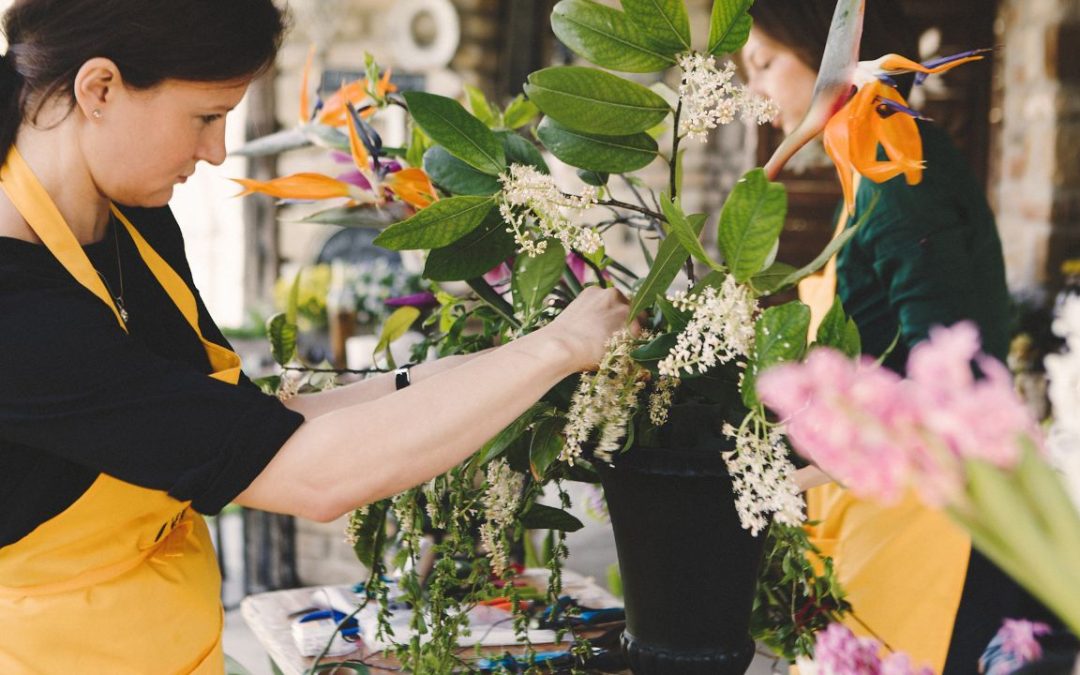
Hiring an interior plant designer involves more than selecting attractive greenery for your space. The right professional considers environmental factors, maintenance requirements, and long-term sustainability to create installations that thrive.
Understanding what questions to ask protects your investment and ensures plant health. This guide covers critical inquiries about design methodology, pricing structures, credentials, and service guarantees.
Key Takeaways
- Professional designers assess lighting, HVAC systems, and foot traffic before selecting plants
- Monthly maintenance costs range from $50 to $600+ depending on service tier and visit frequency
- Replacement guarantees vary by tier, with premium services offering comprehensive coverage
- Commercial and residential plant design require different expertise and maintenance approaches
- Orange County features established providers with decades of experience in biophilic design
What Does an Interior Plant Designer Do?
An interior plant designer creates functional plantscapes by integrating living elements into commercial and residential environments. They assess spatial requirements, environmental conditions, and client objectives to develop customized plant solutions.
Professional designers coordinate installation, ongoing maintenance, and seasonal adjustments to maintain plant health. Their expertise extends beyond aesthetics to include horticultural knowledge, irrigation systems, and environmental monitoring.
How Do They Integrate Plants Into Interior Spaces?
Effective integration requires analyzing lighting conditions, HVAC airflow patterns, and foot traffic before selecting appropriate species. Professional designers evaluate natural light exposure, artificial lighting quality, temperature fluctuations, and humidity levels to match plants with optimal growing conditions.
Hardy varieties like Pothos and Snake plants tolerate low-light environments and irregular watering schedules. Specialty options include Palms and Ferns for moderate light areas, while exotic installations feature Living Walls and Moss Walls that require controlled environments and frequent maintenance.
What Are the Benefits of Professional Plant Design?
Research demonstrates that employees report a 6% increase in productivity when working in interior planting design environments enriched with natural elements. Studies further indicate a 15% improvement in overall well-being among workers exposed to biophilic design principles.
The global indoor plant market reached $21.40 billion to $22.6 billion in 2025, reflecting widespread adoption of professional services. Market projections estimate growth to $27.4 billion to $32.78 billion by 2032-2034, with a compound annual growth rate of 4.6% to 5.4%.
Why Is Choosing the Right Interior Plant Designer Important?
Selecting the wrong designer results in plant failures, wasted investment, and ongoing maintenance problems. Professional expertise ensures species selection matches environmental conditions and client capacity for care.
Qualified designers provide guarantees, maintenance contracts, and replacement protocols that protect long-term plant health. Their systematic approach reduces risk and delivers measurable returns on workplace wellness initiatives.
How Does Biophilic Design Impact Workplace and Home Environments?
Biophilic design integrates natural elements into commercial and residential architecture to improve occupant well-being and cognitive function. Research confirms that exposure to plants reduces stress hormones, lowers blood pressure, and enhances concentration.
Air-purifying plants, including snake plants and peace lilies, remove toxins from indoor environments while increasing oxygen levels. Field studies demonstrate significant reductions in complaints about dry air and improvements in perceived workspace attractiveness.
What Are the Differences Between Commercial and Residential Plant Design?
Commercial design prioritizes scale, durability, and brand alignment while residential design emphasizes personalization and individual comfort. Corporate installations require uniform aesthetics that reflect company values, whereas home projects accommodate diverse styles and personal preferences.
Commercial projects typically include professional maintenance contracts with weekly or bi-weekly visits to ensure consistent appearance. Residential clients often prefer hands-on plant care, using professional indoor plant services for Newport Beach businesses primarily for initial design consultation and installation.
What Should I Consider When Evaluating Plant Designers?
Evaluating designers requires examining their process for species selection, environmental assessment, and maintenance planning. Request detailed proposals that explain plant choices, placement rationale, and expected care requirements.
Verify their ability to handle your specific space challenges through portfolio reviews and client references. Ask about contingency plans for plant failures and seasonal adjustments needed throughout the year.
How Do Plant Selection and Environmental Factors Influence Design?
Environmental compatibility determines plant survival rates and long-term installation success. Designers must account for HVAC system placement, natural light quality, temperature variations, and humidity levels before recommending species.
High foot traffic in hospitality and retail environments requires durable plants with strong root systems and frequent maintenance schedules. Office installations demand strict adherence to corporate aesthetic standards while accommodating limited natural light and climate control systems.
What Maintenance Services Are Typically Offered?
Plant maintenance services include watering, fertilizing, pruning, pest inspection, leaf cleaning, and plant rotation. Labor costs typically range from $30 to $60 per hour, with visit frequency determining total monthly expenses.
Budget tier services provide monthly visits with limited replacement coverage, while premium tier programs include weekly visits with comprehensive guarantees. Calculate costs by multiplying average visit time by hourly rate and visit frequency to estimate plant maintenance services expenses accurately.
How Do Pricing and Service Tiers Affect My Decision?
Understanding cost structures helps align service selection with budget constraints and maintenance expectations. Three primary tiers exist: budget, mid-range, and premium, each offering distinct service levels and guarantees.
Total investment includes initial installation fees, monthly maintenance contracts, and plant replacement allowances. Evaluating the total cost of ownership prevents budget surprises and ensures sustainable long-term plant health.
What Are the Common Cost Structures for Plant Design and Maintenance?
Budget tier installations cost $200 to $1,000 with monthly maintenance fees of $50 to $150 for basic care. Mid-range services charge $1,500 to $3,000 for installation and $100 to $250 monthly for bi-weekly maintenance.
Premium tier projects range from $3,000 to $10,000+ for installation, with monthly fees of $250 to $600+ for weekly professional care. Design consultations vary from complimentary basic assessments to $500+ comprehensive planning sessions, depending on project complexity.
How Is Total Cost of Ownership Calculated?
Total Cost of Ownership includes initial installation expenses plus ongoing maintenance fees over the contract period. Monthly maintenance calculations combine labor costs based on visit time and frequency with replacement allowances for declining plants.
Replacement allowance represents a markup of 30-50% applied to retail plant prices, divided over 12 months to cover natural decline. This markup ensures seamless plant replacements without unexpected invoices when individual specimens require removal.
What Experience and Credentials Should My Plant Designer Have?
Professional qualifications include horticultural education, hands-on maintenance experience, and proven project portfolios in similar environments. Verify training programs for technicians who perform ongoing care and monitoring.
Established designers maintain long-term client relationships and demonstrate consistent service delivery through verifiable references. Their experience with specific industries ensures an understanding of unique requirements for healthcare, corporate, or hospitality settings.
What Training Do Horticultural Technicians Require?
Qualified technicians complete formal horticultural training covering plant physiology, pest management, irrigation systems, and disease identification. Inquire about ongoing professional development programs that keep staff current on industry best practices.
Certification programs exist for interiorscape maintenance, though requirements vary by state and provider. Ask whether technicians receive specialized training for green wall installation projects or complex irrigation systems.
Can They Provide Case Studies or References for Similar Projects?
Request case studies or client references for projects matching your space type and scale requirements. Tech companies, financial institutions, and corporate headquarters serve as ideal references for office installations requiring professional aesthetics.
Hotels, resorts, shopping malls, and boutique retail stores demonstrate hospitality experience with high-visibility public spaces. Hospitals, outpatient clinics, and mental health facilities showcase expertise in healthcare environments requiring non-toxic, low-allergen plant selections.
How Does Location Influence My Choice of Interior Plant Designer?
Regional climate affects plant availability, species selection, and outdoor growing conditions for nursery stock. Local designers understand microclimates, seasonal variations, and regional pests that impact indoor plant health.
Proximity enables faster response times for emergencies, replacement needs, and scheduled maintenance visits. Established local presence indicates business stability and a community reputation built over multiple years.
What Should I Know About the Orange County Market?
Mr. Plant established operations in 1997, serving Orange County with comprehensive design and maintenance services. Instant Jungle has operated since 1980 across Southern California, providing expert installation and care.
Pacific Interior Plants serves Irvine, Newport, and Costa Mesa with professional plantscaping solutions for commercial clients. San Clemente Plants specializes in affordable maintenance packages, including weekly or bi-weekly visit schedules.
Are There Regional Trends That Affect Plant Selection and Design?
Southern California trends favor drought-tolerant species and sustainable irrigation practices, even for interior applications. Orange County corporate clients increasingly invest in premium installations like living walls to attract talent and enhance lobbies.
Preserved moss walls and vertical gardens align with regional sustainability values while requiring minimal water consumption. Local designers incorporate native California species adapted to low humidity and temperature variations common in office environments.
How Can I Ensure Sustainable and Cost-Effective Plant Design?
Sustainable design balances initial investment with long-term maintenance efficiency and environmental impact. Select hardy species requiring minimal intervention, reducing labor costs and replacement frequency.
Clarify replacement protocols, warranty terms, and maintenance visit frequency before signing contracts. Transparent pricing structures prevent budget overruns and align service delivery with organizational capacity.
What Are Key Questions About Sustainability and Plant Health?
Ask about water conservation strategies, organic pest treatments, and locally sourced plant materials to minimize environmental impact. Healthcare facilities require strict use of non-toxic, low-allergen plants to protect vulnerable patient populations.
Approximately 50% of plant owners identify watering and maintenance as their primary challenge, making professional service essential for success. Discuss irrigation automation options and soil moisture monitoring that reduce water waste while maintaining optimal growing conditions.
How Is the Replacement Guarantee Structured in Maintenance Contracts?
Clarify the replacement guarantee structure within the monthly maintenance fees to avoid surprise charges for declining plants. Mid-range tier contracts offer partial replacement coverage with 30-50% markup allowances for natural plant decline.
Premium services provide comprehensive guarantees covering full replacement costs regardless of decline frequency or cause. Natural plant decline requires ongoing replacement costs, so understanding coverage limits prevents budget conflicts and service disputes.
Choosing the Best Interior Plant Designer for Your Needs
Selecting an interior plant designer requires evaluating their technical expertise, service reliability, and cost transparency against your specific needs. The right partner demonstrates proven experience with similar projects, maintains clear communication about pricing structures, and provides comprehensive maintenance guarantees.
Facilities managers and workplace experience leaders benefit from consolidated vendor relationships that simplify operations while delivering measurable outcomes. Professional plant design creates productive work environments that support employee satisfaction, talent retention, and corporate wellness initiatives.
Mr. Plant SoCal has served Orange County since 1980, providing reliable weekly and bi-weekly maintenance schedules backed by full plant health guarantees. Their systematic approach addresses common facility management challenges, including air quality improvements, workspace aesthetics, and vendor consolidation.
Ready to Work With an Interior Plant Designer You Can Trust?
Mr. Plant SoCal has served Orange County businesses since 1980 — over 40 years of proven expertise, 1,200+ satisfied clients, and a full plant health guarantee on every installation. Whether you manage a corporate office, medical facility, or hospitality space, our team handles everything from species selection to weekly maintenance so you never have to think about plant care.
Schedule Your Free Site Assessment and get a detailed proposal built around your space, budget, and goals.

