
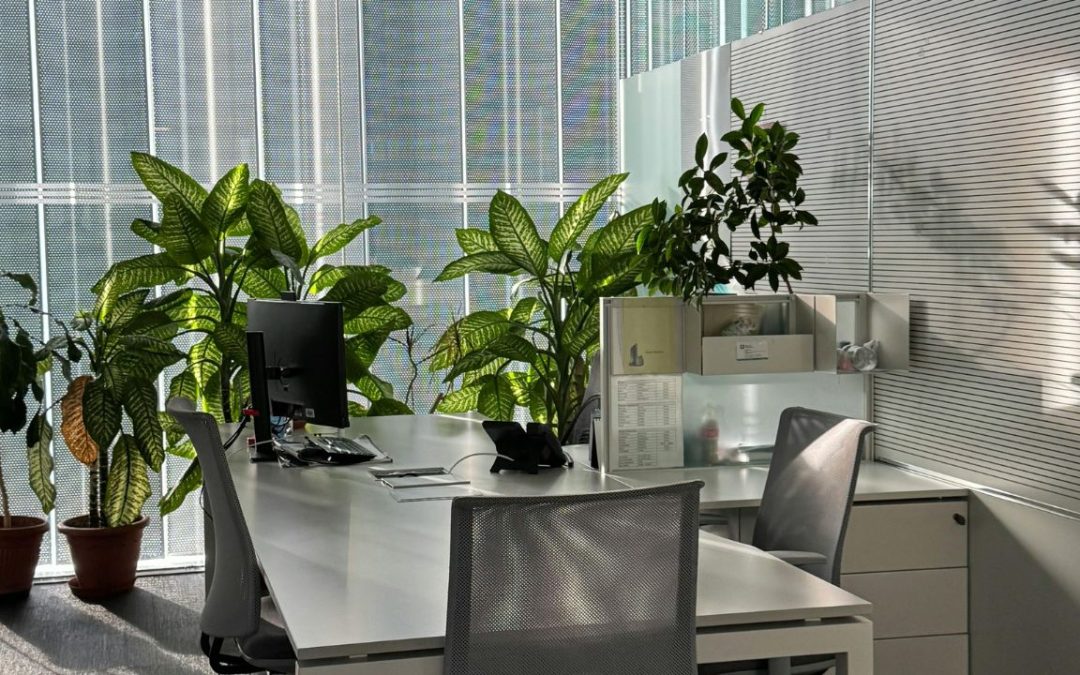
Interior plant design installation transforms commercial spaces through strategic placement of living greenery that enhances aesthetics and employee wellbeing. Professional interior plant services manage the complete process from initial landscape consultation through ongoing care, ensuring sustainable indoor plant solutions that justify investment. Understanding the installation journey helps facilities managers select qualified providers and set realistic expectations for timeline, budget, and outcomes.
The plant design process integrates horticulture expertise, spatial design principles, and environmental assessment to support both traditional arrangements and custom Botanical Designs. Each installation requires planning to address lighting conditions, maintenance access, and organizational goals. Professional interior landscaping teams coordinate plant sourcing, container selection, and placement strategies that support long-term plant health while meeting aesthetic preferences.
Key Takeaways
- Interior plant design installation follows a structured five-phase journey from consultation through ongoing maintenance
- Initial installation costs range from $3,000 to $10,000+ for small to medium offices, with monthly maintenance between $50 and $600+
- Plant quality ranks as the top priority for 92.6% of consumers, driving professional installation demand
- The interior plant market is projected to grow from $20.68 billion in 2024 to $30.25 billion by 2032
- Successful installations balance aesthetic preferences with maintenance requirements and budget constraints
What Is Interior Plant Design Installation?
Interior plant design installation encompasses the complete service of planning, delivering, and establishing plants within commercial or residential interior environments. Professional interior landscape specialists assess environmental conditions, recommend appropriate species, and execute placement strategies aligned with design objectives. This service extends beyond delivery and installation to include container coordination, soil preparation, and initial establishment care, ensuring successful adaptation to the indoor environment.
The installation process requires technical knowledge of plant requirements and spatial design. Installers evaluate natural light availability, temperature control, humidity levels, and traffic patterns. These assessments inform plant selection and positioning decisions that maximize survival rates while achieving desired visual impact.
What Are the Main Components of Interior Plant Design?
Biophilic design serves as the foundational approach for modern interior plant installations, incorporating natural elements into built environments to reconnect occupants with nature. This philosophy recognizes humans’ innate need for connection to living systems. Professional plant designers apply biophilic principles by selecting plant varieties, container styles, and arrangement patterns that create visual connections to outdoor landscapes while addressing indoor constraints.
Main components include plant selection, container design, spatial arrangement, and environmental control systems. Designers balance aesthetic considerations with practical maintenance requirements, ensuring installations remain viable over time without excessive service interventions. Living green walls, also called living wall installations, have become a standout feature in modern interior landscaping, offering dramatic visual impact within compact footprints.
How Does Interior Plant Design Enhance Office Environments?
Office plant installations directly impact employee satisfaction, with 93% of Millennials reporting that plants contribute to their happiness. This reflects broader psychological benefits associated with natural elements in work environments. Plants reduce stress, improve air quality perception, and create visual interest that counters sterile office design.
Enhanced interior environments support talent retention and productivity objectives. Research demonstrates measurable improvements in cognitive function, creativity, and task concentration when plants are present. These benefits justify installation investments by linking plant presence to organizational performance metrics rather than treating greenery as purely decorative. Statement installations such as a living wall can serve as a focal point that reinforces company culture while improving the atmosphere employees work in daily.
What Types of Plants Are Commonly Used?
Foliage plants dominate interior installations with 41.12% market share, reflecting their adaptability to low-light conditions and minimal flowering maintenance. These plants provide consistent visual appeal through leaf texture, color, and form variations. Popular foliage species include Monstera varieties offering dramatic architectural presence and reliable performance.
Flowering plants capture 24.0% market share, while succulents and cacti represent 22.5% of installations. Flowering plants introduce seasonal color variation through blooms and fragrance. Succulents and cacti appeal to minimalist design preferences and require reduced watering frequency, making them suitable for spaces with limited maintenance access or budget constraints.
Why Is Professional Installation Important?
Professional interior landscaping ensures plants receive proper establishment care determining long-term survival and appearance. Expert installers possess knowledge of root handling, soil preparation, and acclimation procedures, preventing shock and establishment failure. Their experience with container selection, drainage systems, and initial watering protocols establishes conditions for healthy growth in any indoor plant solutions program.
Installation quality directly affects maintenance costs and plant replacement frequency. Proper techniques reduce stress during transition to new environments. Professional services also provide accountability through guarantees protecting client investments, addressing failures promptly rather than leaving clients to manage dying plants without recourse.
What Are the Benefits of Expert Plant Installation?
Expert installation delivers immediate aesthetic impact while establishing conditions for sustained plant health. Professional installers achieve balanced compositions through knowledge of plant growth patterns, mature sizes, and visual weight distribution. Their technical expertise ensures proper container drainage, appropriate soil selection, and correct planting depth that amateur installations frequently miss.
Plant quality assessment represents a critical installation benefit, with 92.6% of consumers rating this factor as very or extremely important. Professional installers inspect plants for pest presence, root health, and structural integrity before placement. This quality control prevents introducing compromised plants requiring premature replacement, protecting both budget and design continuity.
How Does Installation Affect Plant Longevity and Quality?
Installation quality establishes root system stability and moisture management patterns, determining plant lifespan. Proper techniques ensure roots make adequate soil contact without air gaps, causing desiccation. Professional installers verify drainage function and establish initial watering baselines, preventing both drought stress and overwatering damage during critical establishment.
Poor installation practices create long-term maintenance challenges, increasing service costs. Plants installed without adequate drainage develop root rot, causing eventual decline regardless of subsequent care quality. Similarly, incorrect soil selection or compaction during installation restricts root growth and nutrient availability, limiting plant vigor and requiring earlier replacement.
What Are Typical Pricing Tiers for Installation Services?
Initial installation costs for small to medium office spaces typically range from $3,000 to $10,000+, reflecting plant quantity, species selection, and container quality. Budget-tier installations utilize standard foliage plants in basic containers with minimal custom design. Premium installations incorporate rare plant varieties, designer containers, and complex arrangement compositions requiring additional planning time and higher material costs.
Pricing variations also reflect site accessibility, ceiling height, and installation complexity. Projects requiring lift equipment, after-hours access, or intricate mounting systems command higher installation fees. Understanding these pricing tiers helps facilities managers align budget constraints with realistic design expectations while avoiding underinvestment, compromising installation success.
How Is the Interior Plant Installation Process Structured?
The indoor plant setup follows a structured progression through five distinct phases, transforming initial concepts into established installations. This phased approach ensures systematic evaluation of client needs, environmental constraints, and design possibilities before committing resources to plant procurement and placement. Each phase builds upon previous decisions, creating logical progression, minimizing revisions, and unexpected costs.
Professional interior plant services guide clients through landscape consultation, site assessment, plant specification, installation execution, and establishment monitoring. This structured process separates planning from implementation, allowing thorough consideration of options before binding commitments. The phased structure creates natural decision points where clients can adjust scope or budget based on emerging information.
What Are the Key Phases of the Plant Design Journey?
The plant design process consists of five phases: landscape consultation, site assessment, design development, installation, and ongoing maintenance. Initial landscape consultation establishes project goals, budget parameters, and aesthetic preferences. Site assessment evaluates environmental conditions, including light measurements, temperature stability, and spatial constraints, determining viable plant options.
Design development translates assessment findings into specific plant recommendations, container selections, and placement plans. The delivery and installation phase executes approved designs through coordinated logistics, placement, and establishment care. Ongoing maintenance phase provides regular service sustaining plant health and appearance over time, completing the full service cycle.
How Are Plants Sourced and Procured?
Home improvement stores represent 35.6% of consumer plant procurement, though professional installers typically source from specialized growers and wholesalers. This procurement approach ensures access to larger specimen sizes, specific cultivar selections, and guaranteed quality standards. Professional sourcing channels provide replacement guarantees and consistent availability that retail channels cannot match for commercial installation volumes.
Procurement timelines vary based on plant availability and project size, typically requiring two to four weeks for specialty varieties. Installers coordinate delivery schedules to minimize plant storage time and ensure optimal conditions during installation. Seasonal availability affects some flowering plant options, requiring advance planning or alternative species selection.
What Should Clients Expect During the On-Site Installation?
On-site installation typically occurs within a single day for small to medium projects, minimizing workplace disruption. Professional teams arrive with all plants, containers, soil, and placement tools ready for immediate execution. Clients should expect brief periods of increased activity in installation areas, though experienced interior plant services teams work efficiently to reduce noise and movement through occupied spaces.
Installation includes container placement, plant positioning, soil addition, initial watering, and cleanup of all packaging materials. Teams verify drainage function and adjust plant orientation for optimal presentation. Post-installation communication provides care instructions, maintenance schedules, and contact information for addressing establishment issues during the first weeks after delivery and installation.
What Factors Influence Design and Plant Selection?
Consumer preferences shape plant selection decisions, with aesthetics consistently prioritized over functional considerations. Facilities managers balance employee satisfaction with maintenance practicality when approving plant choices. Visual appeal drives initial acceptance, while long-term success depends on matching plant requirements to available environmental conditions.
Demographic data reveals generational preferences informing species selection and design style choices. Age group analysis shows distinct preferences for plant types, container styles, and arrangement approaches. Understanding these demographic patterns helps designers create installations resonating with specific workforce compositions while maintaining professional appearance standards.
How Do Consumer Preferences Shape Plant Choices?
Plant quality priority ranks highest among consumer preferences at 92.6%, directly influencing species selection toward proven performers. Aesthetic considerations dominate functional benefits in consumer decision-making, driving demand for visually striking varieties over practical, low-maintenance options. This preference pattern requires designers to educate clients about the maintenance implications of aesthetic-focused selections.
Social media influences 50% of plant purchase decisions, introducing trending species that may not suit all indoor environments. Consumer plant ownership levels reveal that 34% own 15+ plants, indicating substantial existing plant knowledge among some decision-makers. Most consumers spend $1-$100 annually on plants, establishing baseline budget expectations that professional installations significantly exceed.
What Role Does Demographic Data Play in Design?
Millennials represent 31% of plant sales and constitute the primary demographic driving commercial plant installation demand. This generation’s documented preference for plants in workplace environments directly influences office plant design strategies. Designers targeting Millennial-heavy workforces emphasize visually dynamic species and contemporary container styles aligning with this demographic’s aesthetic preferences.
West Coast markets demonstrate 42.6% penetration, indicating regional variations in plant installation adoption. Geographic location affects both plant availability and cultural acceptance of biophilic design approaches. Demographic analysis helps installers customize plant selections and presentation styles to match regional preferences while respecting local climate constraints influencing species viability.
How Are Different Design Styles Applied?
Scandinavian design style emphasizes minimalist plant selections with clean-lined containers and restrained color palettes. This approach suits professional environments seeking understated elegance through simple foliage forms and neutral vessel finishes. Scandinavian styling typically features single-specimen presentations rather than mixed groupings, creating visual breathing room in contemporary office settings.
Bohemian and minimalist styles represent opposite ends of the design spectrum. Bohemian approaches embrace abundant plant quantities, mixed container styles, and layered textures, creating lush, informal appearances. Minimalist installations reduce plant count while maximizing individual specimen impact through strategic placement and container selection, complementing architectural elements.
How Is Maintenance Integrated With Installation?
Maintenance integration begins during initial design planning, ensuring plant selections align with available service resources and budget allocations. Professional installers structure ongoing care programs as essential components rather than optional add-ons. This integration prevents common failure patterns where attractive installations decline rapidly without adequate maintenance support, wasting initial investment.
Service agreements establish regular visit schedules, care protocols, and replacement guarantees protecting installation quality over time. Monthly maintenance plans provide consistent oversight addressing watering needs, pest management, and aesthetic pruning. Integrated maintenance also enables early problem detection, preventing widespread decline and maintaining professional appearance, justifying installation investment.
What Are Typical Maintenance Plans and Costs?
Monthly maintenance costs range from $50 to $600+, scaling with plant quantity, species complexity, and site accessibility. Basic plans cover watering, visual inspection, and dead leaf removal for standard foliage installations. Premium maintenance includes fertilization programs, pest monitoring, seasonal rotations, and immediate replacement of declining specimens.
Annual maintenance costs typically range from $3,600 to $7,200 for comprehensive service agreements. These ongoing expenses represent the true cost of sustaining quality installations over time. Facilities managers must budget for both initial installation and perpetual maintenance to avoid installation failure from inadequate care resources.
How Does Ongoing Care Affect Installed Plants?
Ongoing care directly determines whether plants maintain installation quality or gradually decline toward replacement necessity. Regular watering according to species-specific requirements prevents stress cycles, weakening plants, and increasing pest susceptibility. Professional maintenance teams adjust care protocols seasonally to address changing growth rates and environmental conditions affecting water and nutrient demands.
Consistent monitoring identifies emerging problems before they cause visible damage or require plant replacement. Early pest detection enables targeted intervention, preventing population establishment and spread to adjacent plants. Regular pruning maintains desired forms and removes damaged tissue that would otherwise compromise appearance and provide pathogen entry points.
What Are Regulatory Considerations in Maintenance?
Regulatory compliance primarily addresses pest management practices and plant material disposal requirements. Indoor plant maintenance rarely involves pesticide applications subject to commercial applicator licensing, though some jurisdictions regulate even minimal chemical use. Service providers must understand local regulations governing waste disposal, particularly for soil and plant material removed during maintenance.
Certain plant imports require USDA APHIS certification to prevent pest introduction into domestic growing regions. Professional installers verify sourced plants meet regulatory requirements before procurement. Facilities housing government contracts or operating in regulated industries may face additional restrictions on plant selections or maintenance products, requiring advance coordination with service providers.
How Do Market Trends Impact Installation Expectations?
Market growth trends directly influence service availability, pricing stability, and innovation in installation approaches. Expanding market conditions encourage new service providers and increased competition, benefiting clients through improved service quality. Growing consumer interest also drives product development in container design, plant varieties, and care technologies, enhancing installation possibilities.
Industry maturation establishes service standards and customer expectations, shaping installation quality benchmarks. As the market grows, professional certification programs and best practice documentation emerge. These developments help clients evaluate service providers and establish realistic performance expectations for both installation quality and ongoing maintenance outcomes.
What Are Current Growth Trends in the Interior Plant Market?
The 2024 market value of $20.68 billion USD is projected to reach $30.25 billion USD by 2032, demonstrating sustained demand growth. This expansion reflects a five-year CAGR of 4.87%, indicating stable rather than speculative growth. The importance of plant maintenance services is evidenced by their 9.7% CAGR, outpacing general market growth and highlighting ongoing care demand.
Succulents and cacti represent the fastest-growing category at 6.88% CAGR, reflecting consumer preference shifts toward lower-maintenance options. This growth pattern influences installer recommendations and inventory planning. Market expansion also creates opportunities for specialized services, including rare plant sourcing, custom container fabrication, and technology-enhanced maintenance monitoring systems.
How Does Social Media Influence Customer Decisions?
Social media engagement reaches 85% of consumers maintaining active accounts, creating powerful channels for plant awareness and preference development. Platform algorithms amplify visually striking installations, establishing design trends influencing client expectations. Facilities managers increasingly encounter employee requests for specific plant types or design styles discovered through social media exposure.
Sixty-seven percent of consumers follow plant retailers on social media, creating direct communication channels between service providers and potential clients. This engagement enables installers to showcase completed projects, educate audiences about plant care, and build brand recognition. Social media influence also accelerates trend adoption, requiring installers to maintain awareness of emerging preferences and source accordingly.
What Are Emerging Plant Types and Design Preferences?
Rare and unusual plant varieties gain popularity through social media exposure, creating demand for species previously confined to collector markets. Variegated foliage forms, unique leaf shapes, and uncommon flowering species now appear regularly in commercial installation requests. Living green walls, or vertical garden installations, have emerged as a premium trend, allowing businesses to maximize interior landscaping impact in smaller footprints. This trend challenges installers to balance aesthetic desirability with practical maintenance requirements and reliable sourcing.
Design preferences shift toward naturalistic arrangements mimicking outdoor plant communities rather than formal, symmetrical compositions. Clients increasingly request mixed plantings within single containers and layered height variations, creating depth. These emerging preferences require greater design expertise and more sophisticated maintenance protocols than traditional single-specimen installations.
What Are Common Challenges and How Are They Addressed?
Budget constraints represent the most frequent installation challenge, requiring creative solutions delivering visual impact within financial limits. Installers address budget pressure through phased implementation approaches, establishing core plantings immediately while deferring enhancement elements. Strategic plant selection also maximizes perceived value by choosing species with dramatic visual presence despite moderate costs.
Installation obstacles include environmental limitations, maintenance access constraints, and client expectation misalignment. Experienced installers anticipate common problems through thorough site assessment and clear communication during planning phases. Proactive problem identification prevents mid-project surprises, delaying completion or forcing compromise solutions, undermining design quality.
How Are Budget Constraints Managed?
Budget management begins with transparent pricing communication and establishing realistic scope expectations before design development. Installers present tiered options showing how different budget levels translate into plant quantities, container quality, and species selections. This approach prevents emotional attachment to designs exceeding financial resources while demonstrating what available funds can achieve.
Cost optimization strategies include container reuse programs, seasonal purchasing leveraging availability cycles, and plant size selection balancing impact with price. Smaller plants cost less initially but require longer establishment periods to achieve visual impact. Larger specimens provide immediate presence at premium prices, creating trade-offs that installers help clients navigate based on timeline priorities and budget flexibility.
What Are Potential Installation Obstacles?
Environmental limitations, including insufficient natural light, extreme temperature fluctuations, and poor air circulation, constrain plant selection and placement options. Installers overcome light deficiencies through artificial supplementation or selecting species adapted to low-light conditions. Temperature and air quality challenges may require HVAC adjustments or limiting installations to environmentally stable zones.
Physical access obstacles affect delivery routes, container placement, and maintenance service provision. Large plants cannot navigate narrow doorways or elevator dimensions, requiring alternative species selection or container disassembly strategies. Maintenance access constraints necessitate self-watering systems or modified service schedules, increasing costs but ensuring adequate care delivery despite logistical challenges.
How Is ROI Measured and Optimized?
Return on investment measurement tracks productivity improvements, employee satisfaction gains, and reduced absenteeism attributed to improved workplace environments. Studies document 15% productivity increases in spaces with plants, providing quantifiable justification for installation expenses. Facilities managers measure ROI through employee surveys, retention rate analysis, and comparing workplace atmosphere metrics before and after installation.
ROI optimization requires matching installation investments to organizational priorities and measuring relevant outcomes. Companies emphasizing wellness benefit from installations improving air quality perception and stress reduction. Organizations focused on talent acquisition optimize ROI through creating visually distinctive spaces, enhancing recruitment appeal, and supporting employer branding objectives aligned with employee wellbeing values.
Interior Plant Design Installation: Integrating Process, Market, and Maintenance for Successful Outcomes
Successful interior plant installation requires integrating design expertise, market knowledge, and maintenance commitment into unified project execution. Understanding the five-phase journey helps facilities managers prepare for landscape consultation, assessment, design, delivery and installation, and ongoing care requirements. Market trends toward higher quality standards and professional interior plant services support installations sustaining value over time rather than declining into costly replacement cycles.
The convergence of consumer preferences, demographic trends, and market growth creates favorable conditions for investing in professional indoor plant solutions. Budget planning must account for both initial delivery and installation costs and perpetual maintenance to achieve desired outcomes. Strategic installations, from custom Botanical Designs to living green walls, balance aesthetic impact with practical maintenance requirements and deliver measurable returns through improved employee satisfaction and workplace appeal.
Professional interior plant services transform commercial spaces into productive, biophilic interior environments supporting organizational objectives. The structured process ensures plants receive proper establishment care while meeting design expectations. For over 38 years, Mr. Plant SoCal has delivered professional interior landscape consultation, delivery and installation, and ongoing maintenance services across 1,200+ satisfied customer locations, maintaining plant quality through guaranteed service programs protecting client investments.
Schedule Your Interior Plant Design Consultation With Mr. Plant SoCal
Your Orange County office deserves interior environments that work as hard as your team does. Mr. Plant SoCal brings over 38 years of interior plant services experience to every landscape consultation, delivery and installation, and ongoing maintenance program we provide. Whether you’re considering custom Botanical Designs, a statement living wall, or a complete interior landscaping refresh with indoor plant solutions tailored to your space, we handle every detail from start to finish.
Serving 1,200+ commercial clients across Irvine, Newport Beach, Costa Mesa, Tustin, Santa Ana, and Anaheim, we know what it takes to create interior environments that impress clients, reduce employee stress, and reflect your brand. Contact Mr. Plant SoCal today to book your free consultation and see how our interior plant services can transform your workspace.

