
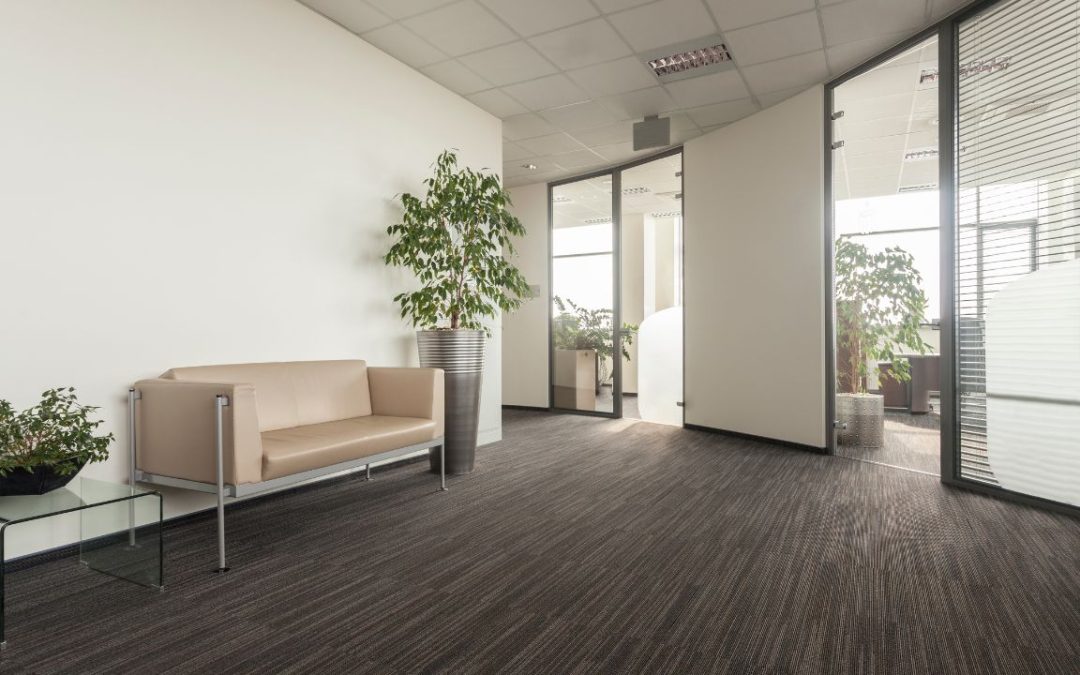
Biophilic design transforms sterile workspaces into environments that connect employees with nature through plants, natural light, and organic materials. Traditional office decor relies on synthetic finishes and minimal natural elements, often leaving workers disconnected from environmental wellness cues.
The contrast between these approaches creates measurable differences in employee satisfaction and workplace performance. Understanding the practical implications helps facilities managers choose solutions that address talent attraction, workplace experience, and budget constraints.
Key Takeaways
- Biophilic design incorporates natural elements like plants, natural light, and organic materials into office spaces
- Workers in nature-rich environments report 15% higher well-being and 6% higher productivity than those in traditional offices
- 58% of office workers lack natural greenery, while 47% lack natural light in their workspace
- Plant maintenance programs cost $100-$600 monthly, while living walls range from $85-$250+ per square foot
- 80% of Millennials consider biophilic design important, compared to 63% of Gen X and 53% Baby Boomers
What Is Biophilic Design and How Does It Differ from Traditional Office Decor?
Biophilic design incorporates living plants, natural materials, and access to daylight within office environments to improve employee well-being. Traditional office decor typically features synthetic materials, artificial lighting, and minimal connection to natural elements.
The distinction extends beyond aesthetics to include ongoing maintenance requirements and environmental impact on workers. Studies show that environments with natural elements generate 15% higher well-being and 6% higher productivity compared to spaces lacking these features.
Key Elements of Biophilic Design
Office plant design includes several implementation formats ranging from simple potted arrangements to complex vertical installations. Living walls feature vertical greenery systems with integrated irrigation and regular maintenance requirements, while preserved moss walls use non-living natural moss that requires no watering.
Plant maintenance services provide recurring visits with rotating plants and bundled upkeep programs. Standard office species include Aglaonema, Dracaena, Pothos, snake plant, spider plant, philodendron, and ZZ plant for their tolerance of indoor conditions.
Characteristics of Traditional Office Decor
Research reveals that 58% of office workers lack natural greenery in their workspace. Another 47% report insufficient natural light, while 19% experience no natural elements at all in their office environment.
Negative workplace signals include no windows, cited by 32% of respondents as problematic. Dead or unkempt plants also register as a bad signal for 32% of workers, highlighting the importance of proper maintenance.
Comparative Benefits of Biophilic Vs. Traditional Decor
Employees in nature-rich environments report 15% higher well-being compared to those in traditional sterile offices. Productivity increases by 6% when natural elements are present, while creativity rises by 15% in biophilic workspaces.
These improvements translate to measurable financial returns for organizations investing in workplace environmental quality. Trends in commercial indoor plant design reflect growing recognition of these performance benefits across competitive office markets.
Why Do Workers Prefer Biophilic Office Environments?
Workers favor biophilic environments because natural elements reduce stress and create more appealing spaces for daily work. The preference extends across multiple dimensions, including well-being, cognitive performance, and overall workplace satisfaction.
Environmental psychology research confirms that connection to nature improves mood and concentration during work hours. These effects occur even with modest interventions like grouped planters or plant terrariums that create peaceful workspaces.
Impact on Well-being, Productivity, and Creativity
Biophilic environments generate 15% higher well-being scores among employees compared to traditional office settings. Productivity improvements reach 6%, while creativity gains measure 15% higher in spaces with natural elements.
Nature views can save over $2,000 per employee per year through reduced absenteeism and improved performance. Call-center workers with nature views processed calls 6%-7% faster, achieving return on investment payback in just four months.
Employee Preferences for Natural Elements
Natural light ranks as the most desired workplace element, cited by 44% of office workers. Indoor plants receive 20% preference as the second most-wanted biophilic feature in professional environments.
Overall, 68% of workers consider biophilic design an important element of their workspace. Decorative plants generate 33% favorable response, while wood elements receive 32% positive reactions from employees.
Generational Differences in Biophilic Design Appreciation
Millennials show the strongest preference for biophilic design, with 80% considering it important in workplace environments. Gen X follows at 63%, while Baby Boomers register 53% importance ratings for natural office elements.
This generational gradient suggests that biophilic features will become increasingly critical as younger workers comprise larger workforce percentages. Professional indoor plant services address these expectations while removing maintenance burdens from internal staff.
How Does Biophilic Design Influence Office Choice and Employer Branding?
Biophilic design affects employer brand perception and influences talent decisions in competitive hiring markets. Workplace environmental quality now functions as a tangible differentiator when professionals evaluate potential employers.
The connection between office experience and talent attraction has intensified as hybrid work normalizes. Companies use biophilic features to create compelling reasons for employees to choose in-office work over remote alternatives.
Role in Attracting and Retaining Talent
Approximately 33% of workers state that office design affects whether they would choose to work for a company. This percentage represents a significant talent pool influenced by environmental quality during recruitment and retention decisions.
Biophilic installations signal organizational investment in employee well-being and workplace experience. Hanging plants for open office spaces creates visible environmental improvements that enhance employer brand perception among current and prospective employees.
Effects on Attendance and Employee Experience
Productivity costs in office environments are 112 times greater than energy costs, making human performance the primary economic factor. Return on investment for nature views reaches payback in four months when calculated against attendance and performance improvements.
Biophilic interventions improve perceived workplace quality without requiring extensive structural renovations in existing buildings. Interior planting design offers flexible solutions that adapt to lease terms and evolving space configurations.
Regional Market Trends and Demand Patterns
San Diego office vacancy stands at 15.4% with an average asking rent of $3.48 per square foot monthly. Los Angeles shows 23.9% vacancy with $3.58 per square foot monthly average rent, indicating competitive pressure on landlords.
Suburban downtown offices command 40%-80% rent premiums when they combine amenities with reduced commute friction. Biophilic features help justify premium positioning by delivering measurable improvements in employee experience and workplace satisfaction.
What Are the Main Market Segments and Installation Options for Biophilic Design?
Biophilic design divides into distinct market segments based on installation complexity, maintenance requirements, and visual impact. Each segment serves different organizational objectives, ranging from budget-conscious environmental improvements to flagship architectural statements.
Understanding segment characteristics helps facilities managers match solutions to lease terms, maintenance capacity, and workplace goals. Cost structures vary significantly across segments, requiring careful alignment between budget constraints and desired outcomes.
Plant Maintenance and Rental Programs
Conventional potted plants hold 67.10% market share in commercial indoor plant applications for 2025. Commercial indoor plant users are growing at 6.05% annually, reflecting increased recognition of workplace environmental quality.
Plant maintenance programs deliver recurring service with rotating plants and bundled upkeep at predictable monthly costs. These programs suit organizations seeking environmental improvements without capital expenditure or internal maintenance responsibilities.
Living Walls and Green Walls
Green wall planter systems account for more than 60% of the vertical greenery market segment. The green wall market reached USD 2.4 billion in 2022 and is projected to reach USD 5.3 billion by 2031.
This 9.2% annual growth rate reflects demand for high-impact biophilic installations in lobbies and featured spaces. Modern offices increasingly use green walls to create memorable brand impressions and differentiate workplace environments.
Preserved Moss Walls and Natural-Material Surfaces
Preserved moss walls use non-living natural moss that requires no irrigation or ongoing horticultural maintenance. These installations perform well in low-light corridors and spaces lacking irrigation infrastructure for living plant systems.
Natural-material surfaces include wood slats, paneling, and textured finishes that complement living plants while adding warmth. Combined installations create layered biophilic environments without the maintenance complexity of comprehensive living wall systems.
How Do Costs Vary Across Biophilic Design Solutions?
Biophilic design costs range from $100 monthly service programs to $250+ per square foot architectural living wall installations. Budget tier, mid-range, and premium options each serve distinct organizational needs and space constraints.
Cost structures reflect installation complexity, ongoing maintenance requirements, and visual impact objectives. Facilities managers should evaluate the total cost of ownership, including both initial installation and recurring service expenses.
Budget-Friendly Planting and Rental Options
Plant maintenance programs cost $100-$600 per month, depending on plant count and service frequency. These programs deliver environmental improvements without capital investment, making them accessible for pilot projects and flexible leasing situations.
Monthly programs suit organizations testing biophilic interventions before committing to permanent installations. Service providers rotate plants seasonally and replace underperforming specimens as part of bundled pricing.
Mid-Range Natural Material and Moss Wall Installations
Preserved moss walls cost $40-$120 per square foot for standard installations and patterns. Custom-branded applications and complex designs reach $165 per square foot for specialized providers.
Natural-material accent walls are installed at $7.78-$11.55 per square foot for mid-range wood paneling systems. These solutions combine biophilic visual impact with minimal ongoing maintenance requirements, fitting organizations seeking permanent installations.
Premium Living Wall Systems and Their Maintenance
Living walls range from $85-$250+ per square foot installed, depending on system complexity and plant density. Annual maintenance adds $6-$18 per square foot for irrigation monitoring, plant replacement, and nutrient management.
Estimated payback periods run 18-36 months when calculated against employee performance and attraction benefits. Choosing the right indoor plant vendor ensures reliable service delivery that protects installation investments.
How Should Organizations Choose Between Biophilic Solutions?
Organizations should begin by defining whether biophilic design addresses brand differentiation or daily employee comfort objectives. A clear objective definition prevents overspending on architectural features when simple planting programs deliver sufficient environmental improvement.
The selection process requires evaluating physical space constraints, maintenance capacity, and lease term stability. Matching solution characteristics to organizational constraints produces better long-term satisfaction than choosing installations based solely on visual appeal.
Assessing Objectives and Maintenance Capacity
Determining whether brand impact or everyday comfort drives biophilic investment guides appropriate solution selection. Brand-focused objectives favor living walls and preserved moss installations, while comfort priorities align with distributed planting programs.
Maintenance capacity assessment prevents installations that exceed available staffing or budget for ongoing care. Organizations lacking internal horticultural expertise benefit from full-service programs that bundle maintenance with plant supply.
Matching Solutions to Workspace Conditions
Checking for sufficient natural light and irrigation access determines which biophilic solutions will thrive long-term. Spaces lacking adequate light should prioritize low-light species or preserved moss rather than sun-dependent living walls.
Lease term and anticipated layout changes influence whether permanent installations or modular systems make financial sense. Creeper plants can transform office interiors when infrastructure supports their growth requirements and maintenance access.
Calculating ROI Based on Human Performance Benefits
Tying return on investment to talent attraction, reduced absenteeism, or productivity metrics justifies biophilic spending to leadership. Nature views deliver payback in four months when calculated against call-center performance improvements.
Human performance costs exceed energy costs by 112 times in office environments, making employee experience the dominant economic factor. Facilities managers should frame biophilic investments as talent and productivity initiatives rather than decorative expenditures.
What Are the Leading Providers and Market Differentiators in Biophilic Design?
Biophilic design providers divide into national commercial service brands and specialist green wall installation companies. National brands emphasize multi-site account management and standardized service delivery, while specialists focus on custom architectural installations.
Provider selection should prioritize proven reliability and local service capacity over the lowest initial pricing. Trending plants in Orange County workspaces require providers familiar with regional climate conditions and indoor growing challenges.
National Commercial Service Brands
Ambius operates with 300+ local specialists across North America, providing multi-site service coordination for enterprise clients. National brands offer panel, tray, freestanding, and moss wall systems through standardized product catalogs.
These providers suit organizations requiring consistent service across multiple locations with centralized vendor management. Enterprise-level service agreements typically include guaranteed response times and regional technician networks.
Specialist Green and Moss Wall Providers
Plant Solutions specializes in MossWallArt applications and low-light compatibility for desert-market conditions. Specialist providers, including ANS Group Global, Biotecture, ELT India, Green Mood, GreenBlue Urban, GSky Plant System, Meamea, Moss Trend, Paisajismo Panot Vegetal, and TREEBOX, compete in architectural vertical greenery installations.
These companies differentiate through custom design services and premium public-space installations. Specialist providers typically deliver higher design impact but may lack broad geographic service coverage.
Pricing and Product Offerings
Budget tier monthly programs cost $100-$600 compared to premium living wall installations at $150-$250+ per square foot. Felt-based systems represent the least expensive live-wall approach, while custom architectural systems command the highest prices.
Pricing variation reflects system complexity, plant palette diversity, and structural integration requirements. Organizations should request detailed maintenance cost projections beyond initial installation pricing to evaluate total ownership costs.
Integrating Biophilic Design for Enhanced Office Environments and Sustainable Workplace Impact
The indoor plants market reached USD 13.61 billion in 2026 and is projected to reach USD 16.36 billion by 2031. Biophilic design in offices measured USD 4.8 billion in 2025 and forecasts USD 12.2 billion by 2033.
This 12.30% annual growth rate reflects accelerating demand as organizations compete for talent through workplace experience differentiation. The market expansion validates biophilic design as a permanent workplace feature rather than a temporary wellness trend.
Office environments combining natural elements with thoughtful maintenance programs deliver measurable improvements in employee satisfaction and performance. The shift from traditional office decor to biophilic design represents a strategic investment in human performance rather than a cosmetic upgrade. Organizations that integrate plants, natural materials, and daylight access create competitive advantages in talent markets while improving daily workplace experience.
Mr. Plant SoCal brings 38 years of commercial interior planting expertise to Orange County office environments. Our uniformed technicians provide weekly or bi-weekly maintenance visits with full plant guarantees, eliminating the risk of dead or unkempt greenery that undermines workplace professionalism.
Transform Your Orange County Office Into a Biophilic Workspace
The research is clear: 15% higher well-being, 6% higher productivity, and offices that actually attract employees back from home. The hard part is execution. Plants die, schedules slip, and a lobby full of brown leaves sends the opposite signal you want visitors and candidates to see.
Mr. Plant SoCal removes that risk. With 38+ years of commercial interior planting experience and 1,200+ Southern California businesses served, our uniformed technicians handle plant selection, installation, weekly or bi-weekly maintenance, and replacement on a set schedule. Every plant is covered by our health guarantee, so dead or unkempt greenery never becomes your problem or your budget line item.
Whether you need a starter plant program, a preserved moss wall, or a full living wall installation, we match the solution to your light conditions, lease term, and budget. We serve facilities managers across Irvine, Newport Beach, Costa Mesa, Anaheim, Santa Ana, and the rest of Orange County.
Schedule a free workspace assessment, and we’ll walk your space, recommend the right biophilic approach, and send a customized proposal within days.

