
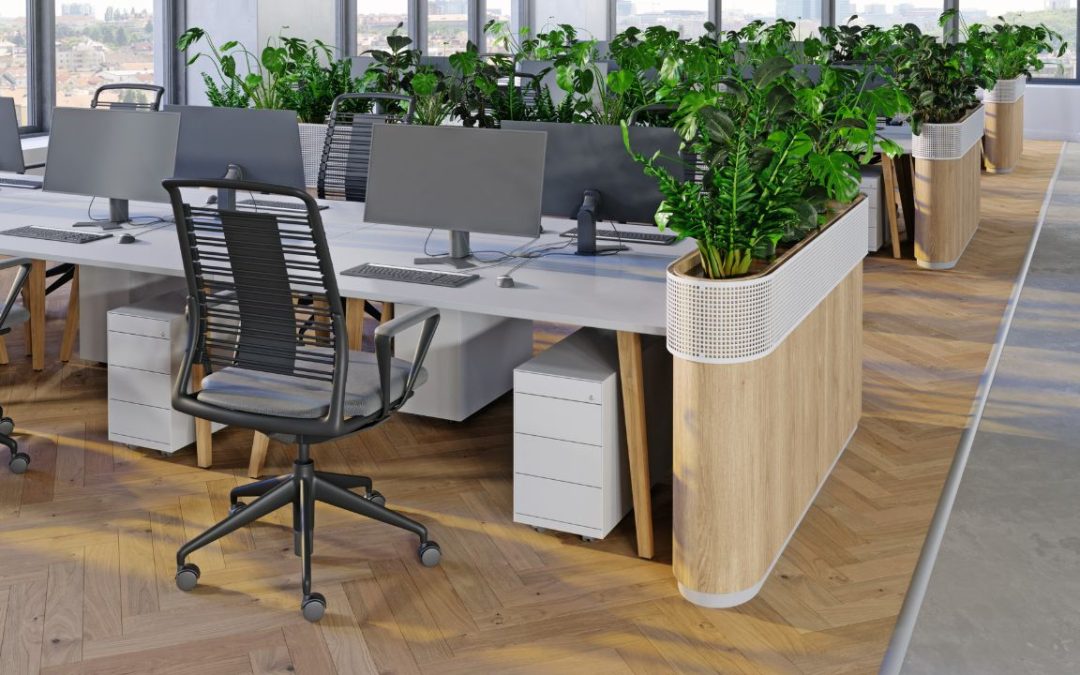
Office plant planning requires structured coordination across multiple phases to achieve reliable results. A comprehensive plant design timeline ensures facilities managers allocate budgets correctly, coordinate stakeholders efficiently, and establish maintenance protocols that prevent common failures.
Understanding the interior planting schedule helps decision-makers avoid dead plant embarrassment and budget overruns. Professional project scheduling addresses procurement timelines, regulatory compliance, installation logistics, and ongoing care requirements that directly affect workplace environment quality.
Key Takeaways
- Office plant design follows a five-phase process, including consultation, sourcing, installation, and ongoing maintenance
- Initial installation for small to medium offices ranges from $3,000 to $10,000, with monthly maintenance costs between $50 and $600
- Plant quality ranks as the top priority for 92.6% of consumers, influencing design decisions and vendor selection
- Millennials represent 31% of the plant market and prefer foliage plants, succulents, and biophilic design elements
- Professional maintenance schedules and stakeholder coordination directly impact long-term plant health and return on investment
What Is Office Plant Design and Why Does It Matter?
Office plant design integrates living vegetation into workplace environments through systematic planning and professional installation. This approach transforms sterile office spaces into environments that support employee wellbeing and operational performance.
The plant design timeline encompasses selection criteria, procurement methods, installation protocols, and maintenance scheduling. Professional coordination ensures plant health remains consistent rather than declining after initial installation.
What Are the Core Elements of Interior Plant Design?
Interior plant design combines species selection, placement strategy, container specification, and maintenance planning into a cohesive system. Each element requires coordination with lighting conditions, HVAC systems, and traffic patterns within office environments.
Designers apply plant ecology principles to evaluate environmental factors, including natural light availability, temperature fluctuation, and humidity levels. These assessments determine which plant types survive specific conditions without requiring excessive intervention or replacement.
How Does Plant Design Impact Workplace Wellbeing?
Plant installations directly influence employee satisfaction metrics and workplace atmosphere perception. Research indicates that 93% of Millennials believe plants make them happier in work environments.
Professional installations reduce stress indicators and improve air quality through natural filtration processes. These measurable benefits support facilities managers when justifying budget allocations to leadership during planning cycles.
Which Plant Types Are Popular for Office Settings?
Foliage plants dominate office installations with 41.12% market share due to low-light tolerance and minimal flowering debris. Flowering plants represent 24.0% of selections for reception areas and executive spaces requiring visual impact.
Succulents and cacti capture 22.5% market share and demonstrate the fastest growth at 6.88% CAGR. Popular species include Monstera for statement installations, while choosing the right plants requires matching specific varieties to environmental conditions.
Who Are the Key Stakeholders in Office Plant Planning?
Facilities managers coordinate plant installations while balancing employee satisfaction requirements and budget constraints. These decision-makers evaluate vendor proposals, approve maintenance schedules, and measure installation performance against workplace environment goals.
Property managers and HR leaders participate in planning when installations support wellness initiatives or tenant improvement projects. Multiple stakeholder involvement requires clear communication protocols and defined approval processes throughout the timeline.
How Do Consumer Preferences Influence Design Choices?
Plant quality ranks as very or extremely important for 92.6% of consumers, driving vendor selection criteria. Quality expectations influence species selection, container specifications, and maintenance frequency requirements within professional installations.
Consumer ownership patterns reveal that 34% of individuals maintain 15 or more plants at home. Most consumers spend $1 to $100 annually on plants, establishing baseline expectations for office installation budgets.
What Roles Do Designers and Suppliers Play?
Designers translate workplace requirements into species selections and placement plans that address aesthetic and functional needs. They coordinate lighting assessments, container specifications, and maintenance protocols before procurement begins.
Suppliers source healthy specimens meeting project specifications and delivery timelines established during planning phases. Professional suppliers maintain an adequate inventory for immediate installation rather than requiring extended lead times that delay project completion.
How Do Maintenance Providers Affect Long-Term Planning?
Maintenance providers determine long-term plant health through scheduled service visits and replacement protocols. Selecting qualified maintenance services prevents the deterioration that undermines initial investment value.
Service frequency directly affects operational costs and plant appearance consistency throughout the year. Weekly or bi-weekly schedules prevent decline, while monthly service often proves insufficient for challenging office environments.
What Are the Main Phases in the Office Plant Design Process?
The five-phase plant design journey includes consultation, planning, sourcing, installation, and ongoing maintenance. Each phase requires specific stakeholder coordination and timeline allocation to prevent delays or quality compromises.
Professional installations follow systematic processes rather than ad-hoc approaches that create inconsistent results. Understanding phase requirements helps facilities managers coordinate vendor selection, budget approval, and space preparation.
How Is the Initial Consultation and Assessment Conducted?
The initial consultation evaluates office layout, lighting conditions, HVAC performance, and aesthetic requirements. Professional assessments identify challenging environments requiring specialized species selection or supplemental lighting installations.
Designers document traffic patterns, water supplies, and existing furniture arrangements during site visits. These evaluations produce specifications that guide procurement and prevent installation complications discovered after plant delivery.
What Steps Are Involved in Plant Sourcing and Procurement?
Plant sourcing begins with supplier selection based on species availability and quality standards. Home improvement stores attract 35.6% of consumers, though commercial installations typically require specialized nursery suppliers.
Procurement timelines vary by species availability, container customization requirements, and seasonal growing conditions. Professional suppliers coordinate delivery schedules matching installation dates rather than delivering plants requiring extended on-site storage.
How Does Installation and Setup Unfold?
Installation teams position plants according to approved design plans and coordinate with office operations schedules. Professional crews complete setups during off-hours to minimize workplace disruption and employee distraction.
Setup includes container placement, plant positioning, initial watering, and debris removal before employees arrive. Successful implementation requires coordination with building management for elevator access and floor protection protocols.
How Should You Budget and Schedule Your Office Plant Project?
Budget allocation requires separate line items for initial installation costs and ongoing maintenance expenses. Understanding cost structures prevents underfunding that compromises plant health or forces premature service termination.
Scheduling considerations include procurement lead times, installation logistics, and seasonal availability for specific species. Facilities managers coordinate timelines with office moves, renovations, or wellness initiative launches requiring simultaneous completion.
What Are Typical Costs for Installation and Maintenance?
Initial installation for small to medium offices ranges from $3,000 to $10,000, depending on quantity and species selection. Premium specimens, custom containers, and complex arrangements increase costs beyond baseline estimates.
Monthly maintenance ranges from $50 to $600 based on plant quantity and service frequency requirements. Annual maintenance totals between $3,600 and $7,200, representing the ongoing investment required for defending budgets to leadership.
How Does Scheduling Vary by Office Size and Plant Choice?
Small office installations typically complete within one to two days, including setup and initial care instructions. Medium and large installations require phased approaches spanning multiple days to prevent operational disruption.
Species selection affects the timeline through availability windows and acclimation requirements before final placement. Flowering plants often require seasonal coordination, while foliage plants offer year-round installation flexibility.
What Regulatory Considerations Affect the Timeline?
USDA APHIS regulations govern plant importation and interstate transport for commercial installations. Compliance requirements add lead time for inspections and certification documentation before plants cross state boundaries.
Local building codes may restrict plant placement near emergency exits or require fire-resistant container materials. Understanding regulatory requirements prevents installation delays discovered during final inspections or occupancy reviews.
How Can Consumer Trends and Market Insights Guide Your Design?
The plant market reached $20.68 billion USD in 2024, with projections of $30.25 billion by 2032. This 4.87% five-year CAGR reflects sustained demand for workplace and residential plant installations.
Plant care services demonstrate stronger growth at 9.7% CAGR, indicating a preference for professional maintenance over self-service approaches. These trends support facilities managers advocating for professional service contracts rather than internal maintenance responsibilities.
Which Demographics Affect Plant Type and Style Selection?
Millennials represent 31% of plant sales and drive demand for species featured in social media content. This demographic prefers statement plants like Monstera and succulent arrangements over traditional office standards.
West Coast markets demonstrate 42.6% penetration, establishing regional preference patterns that facilities managers consider during design planning. Geographic location influences species availability, pricing structures, and local supplier capabilities, affecting procurement timelines.
How Does Social Media Influence Plant Design Decisions?
Social media posts influence 50% of consumers during plant selection and design style decisions. Instagram and Pinterest content shape aesthetic expectations for office installations beyond traditional corporate standards.
Approximately 67% of consumers follow plant retailers on social media, while 85% maintain active accounts. These engagement patterns create familiarity with emerging design trends that influence workplace installation requests from employees and leadership.
What Are Emerging Market Trends to Consider?
Succulents and cacti demonstrate the fastest category growth at 6.88% CAGR despite a smaller overall market share. This growth reflects consumer preference for low-maintenance species suitable for challenging office environments.
Biophilic design principles increasingly influence commercial installations as organizations prioritize employee wellbeing and environmental sustainability. These approaches integrate plants throughout office layouts rather than concentrating greenery in reception areas alone.
What Maintenance Plans Ensure Longevity of Office Plants?
Professional maintenance plans prevent the decline that undermines initial installation investments and creates dead plant embarrassment. Scheduled service visits address watering, pruning, pest management, and replacement before visible deterioration occurs.
Ongoing maintenance represents the operational expense that ensures plant health consistency throughout contract periods. Facilities managers evaluating the total cost of ownership include these recurring expenses when calculating budget requirements.
How Do Monthly and Annual Maintenance Services Differ?
Monthly maintenance visits provide basic watering and visual inspections suitable for hardy species in optimal conditions. This frequency proves insufficient for demanding environments or species requiring precise care protocols.
Weekly or bi-weekly service schedules maintain plant health in challenging office environments with inconsistent lighting or temperature control. Annual service costs between $3,600 and $7,200 reflect the investment required for reliable professional care.
What Are Best Practices for Ongoing Plant Care?
Professional care protocols, often delivered by technicians trained through a horticulture certificate program, include scheduled watering based on species requirements rather than arbitrary calendar intervals. Technicians monitor soil moisture, adjust watering frequency seasonally, and identify pest problems before visible damage occurs.
Rotation schedules ensure even light exposure for plants in fixed locations with directional natural light. Regular leaf cleaning maintains photosynthesis efficiency and prevents dust accumulation that diminishes aesthetic appeal.
How Does Maintenance Impact Overall ROI?
Consistent maintenance preserves initial installation value by preventing premature plant replacement costs. Professional care extends plant lifespan beyond typical office plant survival rates under internal maintenance approaches.
Employee satisfaction metrics improve when plant installations maintain a consistent appearance rather than visibly declining over time. These performance indicators support facilities managers demonstrating value when budgets face scrutiny during annual reviews.
How Do Design Styles and Biophilic Concepts Fit Into Office Plant Layout?
Design style selection influences species choice, container specifications, and arrangement patterns throughout office environments. Scandinavian approaches emphasize minimal containers with clean lines, while Bohemian styles incorporate varied textures and abundant greenery. These styles draw on distinct landscape traditions that shape how plants appear in interior settings.
Minimalist installations use strategic plant placement as focal points rather than distributing vegetation throughout spaces. These aesthetic and functional considerations require coordination between designers, facilities managers, and organizational leadership during planning phases.
What Office Design Styles Complement Plant Choices?
Scandinavian design pairs foliage plants with neutral containers and emphasizes negative space around installations. This approach suits professional environments, prioritizing clean aesthetics over abundant vegetation.
Bohemian styling combines flowering plants, succulents, and varied container materials, creating visual richness. Minimalist installations select statement plants like Monstera positioned as architectural elements rather than decorative accents.
How Are Biophilic Design Principles Applied in Offices?
Biophilic design incorporates plants into workplace environments to strengthen employee connection with natural elements. The approach reflects wider thinking in urban form and design, where built spaces reconnect people with nature. This design approach positions vegetation throughout office layouts rather than isolating greenery in designated areas.
Implementation strategies include living walls, desk plants, and corridor installations that increase daily employee interaction with vegetation. These principles guide placement decisions during planning phases to maximize psychological benefits beyond aesthetic improvements.
Which Plant Arrangements Optimize Aesthetics and Functionality?
Grouping plants by water and light requirements simplifies maintenance while creating visual impact through massed arrangements. This approach prevents isolated specimens from appearing disconnected from the overall office design.
Vertical installations maximize greenery in limited floor space while maintaining circulation paths for employee movement. Professional designers balance density, creating presence without obstructing sightlines or interfering with operational workflows.
Integrating Timeline and Budget Considerations Into Your Office Plant Design Plan
Successful office plant installations require coordinating timeline phases with budget allocations and stakeholder approvals. Facilities managers benefit from understanding the five-phase process, including consultation, sourcing, installation, and maintenance, to establish realistic project schedules.
Budget planning addresses both initial installation costs, ranging from $3,000 to $10,000, and ongoing maintenance expenses between $50 and $600 monthly. Professional service ensures plant health consistency that supports employee satisfaction while preventing the deterioration that undermines workplace environment quality.
Mr. Plant SoCal has coordinated office plant installations for 1,200+ customers over 38 years of operational experience. Professional uniformed technicians provide weekly or bi-weekly maintenance schedules with full guarantees on all plants.
Plan Your Office Plant Design With Mr. Plant SoCal
Ready to start your office plant design? Mr. Plant SoCal handles every phase, from the first consultation to ongoing maintenance, for businesses across Orange County. Contact us to book a free design consultation and put 38+ years of local plant ecology experience to work in your workplace.

