
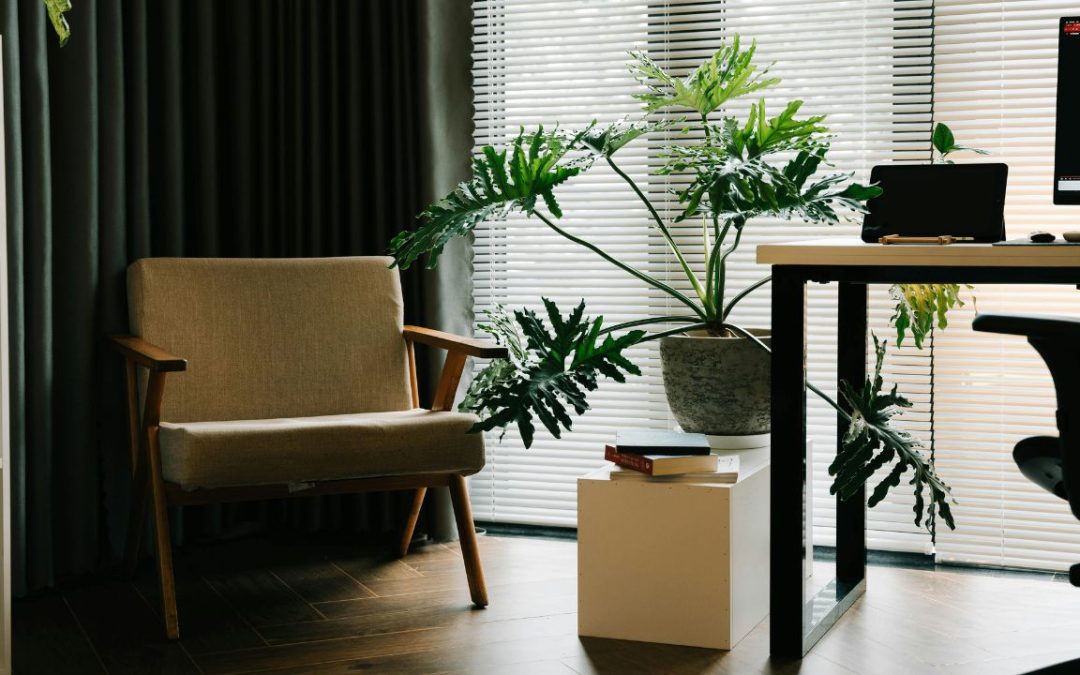
Corporate lobby plants serve four distinct business functions beyond decoration. They reduce employee stress, signal environmental responsibility, improve perceived air quality, and create memorable arrival experiences. The strongest plant programs balance maintenance efficiency with visual impact while aligning with broader workplace wellness goals.
California facilities managers increasingly view corporate lobby plants as operational investments rather than discretionary expenses. Effective selections depend on light conditions, maintenance capacity, traffic patterns, and brand positioning. Understanding these variables helps decision-makers avoid costly replacement cycles and maximize return on workplace environment budgets.
Key Takeaways
- Low-maintenance structural plants like snake plants and ZZ plants dominate office installations, requiring minimal care
- Peace lilies and ferns rank highest for air-quality signaling in wellness-focused reception areas
- Statement plants such as Bird of Paradise create immediate brand impact but require expert placement
- Commercial leasing packages average $175 per month and eliminate replacement risk for facilities teams
- California’s corporate indoor plant market will grow from $158 million in 2026 to $212 million by 2031
What Makes a Plant Suitable for Corporate Lobbies?
Plants succeed in corporate lobbies when they tolerate low-light conditions and require infrequent watering schedules. The best candidates remain visually consistent across seasons and forgive irregular maintenance. Office Plant Design priorities center on durability, not horticultural novelty.
Professional specifications favor species with documented tolerance for artificial lighting and climate-controlled environments. Facilities teams prioritize plants that maintain appearance without daily attention. Selection criteria must account for placement constraints, employee interaction frequency, and vendor service intervals.
How Do Maintenance Needs Affect Plant Selection?
Statement plants carry a higher maintenance risk and demand careful placement away from HVAC vents. Wellness foliage, such as peace lilies, requires consistent watering and leaf cleaning to maintain a professional appearance. Large palm specimens involve greater upfront costs and need experienced technicians for pruning and repositioning.
Succulents offer limited visual impact in expansive lobbies unless deployed in curated groupings. Most succulent varieties require brighter natural light than typical office interiors provide. Structural plants like snake plants and dracaenas perform reliably under fluorescent lighting with minimal intervention.
What Role Does Visual Brand Signaling Play?
Lobby greenery communicates company values before any spoken interaction occurs. Minimalist installations with clean lines suggest operational discipline and modern aesthetic sensibility. Lush tropical arrangements signal creativity, employee care, and environmental awareness.
Plant selection aligns with architectural finishes and furniture choices to create cohesive brand experiences. Financial services firms favor classic palms and architectural specimens that project stability. Creative agencies and tech companies often prefer bold-leaf tropicals that demonstrate innovation and workplace culture investment.
How Do Wellness and Air Quality Influence Plant Choices?
Seventy-two percent of office workers express concern about indoor air quality in their buildings. Eighty-nine percent believe the air they breathe directly affects their health and well-being. Ninety percent consider building air quality at least somewhat important when evaluating workplace environments.
Employees in spaces with natural elements report fifteen percent higher well-being scores than those in barren offices. The same environments show six percent higher productivity and fifteen percent greater creativity. These documented benefits make wellness-signaling plants valuable for talent retention and recruitment positioning.
Which Categories of Indoor Plants Are Ideal for Office Lobbies?
The most commercially viable categories include low-maintenance structural plants, air-quality foliage, and design-forward statement varieties. Each category serves distinct functional and aesthetic priorities. Demand data shows relatively balanced interest across these groupings rather than single-category dominance.
Professional interior planting design integrates multiple categories to create layered visual interest and functional diversity. Single-category installations risk appearing monotonous or failing to address varied lighting conditions within one space. Strategic category mixing allows facilities teams to optimize both performance and appearance.
What Are Low-Maintenance Structural Plants?
Low-maintenance structural plants include snake plants, ZZ plants, and dracaenas that tolerate neglect and low light. These species represent approximately 15.4 percent of commercial plant preference signals. Their upright growth habits provide vertical interest without excessive floor-space requirements.
Snake plants survive weeks without watering and thrive under artificial lighting without leaf drop. ZZ plants demonstrate similar resilience with glossy foliage that maintains visual appeal through extended service intervals. Dracaena varieties offer height and architectural form while requiring minimal hands-on care from facilities staff.
Which Plants Signal Air Quality and Wellness?
Air quality and wellness foliage includes peace lilies, spider plants, and ferns that communicate environmental care. This category captures approximately 23.1 percent of preference shares compared to 21.3 percent for palms. Broad-leaf foliage creates softer visual effects than structural plants while supporting wellness narratives.
Peace lilies produce white blooms that enhance reception area aesthetics beyond simple greenery. Spider plants propagate easily and fill containers quickly with cascading foliage. Fern varieties deliver lush texture but require consistent moisture and benefit from professional Plant maintenance services to prevent browning.
What Defines Design-Forward Tropical Statement Plants?
Design-forward statement plants feature Bird of Paradise, Monstera, and Fiddle Leaf Fig specimens with dramatic leaves. These varieties represent approximately 20.9 percent of demand compared to 19.2 percent for succulents. Their sculptural silhouettes create immediate visual impact in client-facing lobbies and reception areas.
Bird of Paradise plants deliver a tropical aesthetic with large paddle-shaped leaves and occasional orange blooms. Monstera specimens offer distinctive split-leaf patterns that photograph well for social media and recruitment materials. Fiddle Leaf Figs provide bold vertical elements but require stable temperatures and indirect light placement.
How Do Price and Cost Impact Corporate Lobby Plant Decisions?
Budget-tier plants range from thirty-nine to sixty-five dollars and include desktop specimens and small structural varieties. Mid-range options span sixty-nine to one hundred forty-nine dollars and encompass medium palms and statement floor plants. Premium specimens exceed one hundred ninety-nine dollars and feature XXL lobby palms and architectural tropicals.
Initial purchase price represents only one component of total ownership cost for corporate installations. Replacement frequency, maintenance requirements, and vendor service fees accumulate over multi-year holding periods. Lifecycle value analysis often favors mid-range plants over budget options that require frequent replacement.
What Are Typical Price Tiers for Lobby Plants?
Budget-tier plants include snake plants, small palms, and desktop specimens suitable for ancillary areas. Mid-range selections provide Bird of Paradise, medium palms, and substantial floor plants for primary reception zones. Premium specimens deliver XXL lobby palms and large architectural dracaenas that anchor high-ceiling atriums.
Price tiers correlate directly with specimen size, growth time, and container sophistication rather than species rarity. A six-foot palm costs substantially more than a two-foot version of the identical cultivar. Professional planters and decorative cachepots add twenty to fifty percent to base plant costs.
How Does Lifecycle Value Differ from Initial Cost?
A thirty-nine-dollar plant that fails repeatedly within twelve months costs more than a one hundred forty-nine-dollar specimen performing for multiple years. Replacement labor, disposal fees, and productivity disruption from dying plants accumulate hidden expenses. Quality specimens reduce the total cost of ownership despite a higher upfront investment.
Facilities managers increasingly evaluate plants using three-year holding-period analysis rather than quarterly budget cycles. Durable mid-range specimens with lower replacement frequency justify premium pricing through reduced administrative burden. This shift reflects a broader workplace trend toward operational efficiency and vendor consolidation.
What Are Common Commercial Leasing Options?
Average commercial office plant service contracts cost approximately one hundred seventy-five dollars monthly, plus fifty-dollar installation fees. Entry-level packages begin at one hundred twenty-five dollars monthly for compact office coverage. Premium programs reach two hundred twenty-five dollars monthly for multi-zone installations with diverse plant collections.
Leasing arrangements transfer maintenance responsibility and replacement risk entirely to specialized vendors. Monthly fees cover watering, fertilization, pruning, and immediate replacement of declining specimens. This model appeals to facilities teams managing multiple properties or lacking internal horticultural expertise.
Who Are the Key Buyers and What Are Their Preferences?
Thirty-two percent of plant purchasers rank quality and plant health as their primary buying factor. Twenty percent prioritize price above other considerations. Eighteen percent emphasize selection and variety when making procurement decisions.
These priorities translate directly into corporate procurement behavior, where quality prevents replacement cycles, and price affects budget approvals. Selection breadth allows facilities teams to customize installations across varied office environments. Understanding these ranked preferences helps vendors align offerings with actual decision criteria.
How Do Buyer Priorities Translate in Office Plant Procurement?
Quality and plant health represent survival rate, visual appearance consistency, and replacement frequency in commercial contexts. Price considerations encompass both initial acquisition costs and ongoing maintenance fees across budget cycles. Selection availability enables design flexibility and allows matching plants to specific lighting and space constraints.
Value perception combines quality delivery with reasonable pricing rather than representing the lowest-cost options. Convenience translates to vendor responsiveness, simplified billing, and minimal facilities-team involvement in routine care. Professional buyers optimize across these factors rather than selecting based solely on unit price.
How Do Demographics Influence Plant Demand?
Mean purchaser age across the plant market reaches 51.8 years, with substantial representation across generations. Generation Z buyers represent six percent of purchasers, while Millennials comprise thirty-four percent. Generation X accounts for eleven percent, and Baby Boomers represent forty-five percent of plant buyers.
Corporate procurement teams typically include multiple generations with varying workplace priorities and aesthetic preferences. Younger stakeholders emphasize wellness benefits and sustainability messaging while senior decision-makers prioritize reliability and cost control. Effective plant programs address both perspectives through category diversification.
What Regional Patterns Affect Plant Selection in California?
California’s corporate Indoor air quality plant market reached approximately one hundred fifty-eight million dollars in 2026. Projected growth extends to two hundred twelve million dollars by 2031. This represents 34.2 percent cumulative five-year growth at a 6.05 percent compound annual growth rate.
California maintains one hundred sixty-three thousand four hundred thirty-two establishments with twenty or more employees. Bay Area and Los Angeles urban cores drive premium demand while Orange County and San Diego favor practical subtropical varieties. Inland markets prioritize drought-tolerant species and cost-efficient maintenance programs aligned with water conservation priorities.
How to Match Plant Choices with Corporate Lobby Environments?
High-traffic client-facing lobbies demand resilient species that tolerate frequent brushing and maintain appearance despite constant activity. Satellite offices benefit from extremely low-maintenance varieties that survive irregular care schedules. Reception areas focused on wellness messaging require softer foliage that reinforces employee health priorities.
Environmental assessment precedes species selection in professional installations to ensure long-term performance. Light measurement, traffic pattern analysis, and maintenance capacity evaluation guide appropriate plant category matching. This systematic approach prevents common failures where aspirational choices exceed actual care capabilities.
What Plants Suit High-Traffic and Client-Facing Lobbies?
Palms and large structural plants withstand incidental contact while maintaining a professional appearance in busy reception areas. Bird of Paradise specimens provide a dramatic visual impact without fragile leaves that show damage easily. Snake plants tolerate placement near building entrances where temperature fluctuations and foot traffic concentrate.
Planters should feature weighted bases to prevent tipping from accidental collisions in circulation zones. Species with flexible stems and sturdy leaf structures recover quickly from minor physical contact. Avoiding delicate ferns and trailing varieties prevents constant repair needs in active lobby environments.
Which Plants Work Best for Satellite or Low-Maintenance Offices?
ZZ plants and snake plants survive extended periods without watering while maintaining acceptable appearance standards. These species tolerate irregular natural light exposure common in satellite offices without dedicated facilities staff. Dracaena varieties provide vertical interest with minimal intervention requirements between quarterly vendor visits.
Satellite installations should avoid specimens requiring weekly attention or precise environmental controls. Self-watering planters extend maintenance intervals and reduce failure risk when local staff lack plant-care expertise. Selecting proven performers prevents the frustration of repeated plant losses in remote locations.
How to Integrate Wellness-Focused Plants in Reception Areas?
Peace lilies and broad-leaf ferns communicate a health-conscious workplace culture through lush green foliage and air-purifying reputation. Spider plants offer visual softness and demonstrate growth over time as visible evidence of thriving conditions. These varieties support interior planting design strategies centered on employee experience rather than purely decorative goals.
Wellness plant installations benefit from professional maintenance contracts that ensure consistent appearance and prevent dying specimens from undermining health messaging. Grouping multiple wellness species creates a more substantial visual impact than single isolated plants. Positioning near seating areas and water stations reinforces the connection between natural elements and employee care.
What Are Emerging Trends and Future Directions in Corporate Lobby Planting?
Biophilic design principles increasingly drive plant selection beyond simple aesthetic preferences toward evidence-based wellness outcomes. Cost versus value analysis gains importance as facilities teams demand a measurable return on environmental investments. Expert recommendations now emphasize systematic environmental assessment over generic species popularity rankings.
Commercial demand continues growing faster than overall indoor plant markets as organizations recognize competitive advantage from superior workplace environments. Trends in commercial indoor plant design for 2025 reflect this maturation with greater emphasis on performance metrics and lifecycle planning. Professional installations increasingly integrate technology for irrigation monitoring and maintenance tracking.
How Does Biophilic Design Shape Plant Preferences?
Biophilic design research demonstrates fifteen percent greater creativity in environments incorporating natural elements beyond basic greenery. This evidence shifts corporate plant programs from optional amenities to strategic workplace investments supporting innovation goals. Facilities managers increasingly cite employee experience data when justifying plant budgets to cost-conscious leadership.
Modern biophilic strategies layer plants with natural materials, daylight access, and nature-inspired patterns for comprehensive sensory experiences. Plant terrariums and living walls supplement traditional potted specimens in progressive office designs. This integrated approach delivers stronger measurable outcomes than isolated plant placements in otherwise conventional corporate spaces.
Why Is Cost Versus Value Gaining Importance?
Commercial end-user segments grow faster than overall indoor plant markets as businesses pursue competitive differentiation through workplace quality. Facilities managers face pressure to demonstrate tangible returns from environmental spending amid economic uncertainty. This scrutiny favors reliable mid-tier investments over either budget compromises or aspirational premium specimens exceeding care capacity.
Professional indoor plant services shift cost structures from unpredictable replacement expenses to stable monthly fees with performance guarantees. Monthly service contracts typically range from one hundred twenty-five to two hundred twenty-five dollars, depending on coverage scope. This predictability aids budget planning and reduces administrative burden on overwhelmed facilities teams.
How Should Expert Recommendations Be Framed?
Expert plant recommendations must account for actual maintenance capacity rather than idealized care scenarios that fail in practice. Honest environmental assessment prevents aspirational selections that decline rapidly under typical office conditions. Choosing the right indoor plant vendor matters as much as species selection for long-term installation success.
Professional guidance should present category options matched to specific lobby characteristics rather than universal “best plant” lists. Decision frameworks considering light levels, traffic patterns, and service frequency deliver more relevant recommendations than popularity rankings. This consultative approach helps buyers make informed selections aligned with operational realities and strategic workplace goals.
What Practical Guidelines Help Select the Best Indoor Plants for Corporate Lobbies?
Successful corporate lobby installations begin with an environmental assessment measuring light intensity, temperature stability, and available maintenance resources. Species selection follows assessment findings rather than aesthetic preference alone. Hanging plants complement floor specimens by utilizing vertical space without reducing circulation areas in compact lobbies.
Low-maintenance structural plants provide a reliable baseline greenery while statement tropicals add focal interest in primary sight lines. Wellness-focused foliage supports employee health messaging in reception seating areas. Distributing plant categories strategically creates visual variety while managing maintenance complexity across the installation.
Professional vendors typically recommend starting with proven performers and expanding gradually based on actual care capacity. Monthly service contracts eliminate replacement anxiety and ensure consistent appearance through guaranteed specimen swaps. This approach allows facilities teams to enjoy the benefits of corporate lobby plants without assuming horticultural expertise or daily care responsibilities.
Organizations throughout Orange County increasingly recognize that thriving lobby greenery reflects operational excellence and employee care commitment. Mr. Plant SoCal has supported this regional shift for nearly four decades through reliable service and guaranteed plant health. The most successful installations balance aesthetic ambition with realistic maintenance planning to create lasting workplace improvements.
Build a Corporate Lobby That Greets Every Visitor with Life
Tired of replacing dead plants every few months or apologizing for a sterile reception area? Mr. Plant SoCal has helped over 1,200 Orange County businesses build lobby installations that stay healthy year after year. Our uniformed technicians handle design, installation, watering, pruning, and replacements, all backed by our plant health guarantee built over 38 years of service.
From financial offices in Newport Beach to creative studios in Irvine, we match the right plants to your lighting, traffic patterns, and brand. Schedule your complimentary lobby assessment and see why Orange County’s most respected companies trust Mr. Plant SoCal with their first impression.

