
Key Takeaways:
- University of Exeter research found enriching lean offices with plants can increase productivity by up to 47%, while a meta-analysis of 42 studies showed statistically significant diastolic blood pressure reduction averaging 2.53 mmHg in planted environments.
- Umbrella Trees’ large, broad leaves effectively buffer noise by absorbing and scattering sound waves to reduce reverberation and echo, addressing common acoustic problems in modern offices with hard surfaces.
- Mature Umbrella Trees release significant moisture through transpiration, functioning as natural humidifiers that alleviate dry eyes, skin irritation, and respiratory discomfort in air-conditioned Southern California offices.
- Optimal plant density of 3-4 plants per 100 square feet (or one small and one large plant per 65 square feet) maximizes measurable wellness benefits including stress reduction and cognitive achievement improvements.
- Umbrella Trees require bright, indirect light and watering every 7-10 days with temperatures between 60-75°F, making them well-suited for window-adjacent placement in standard commercial office conditions.
Statement plants transform office environments through visual impact and functional benefits. The Umbrella Tree delivers both consistently. Its size and structure create focal points that organize spaces while supporting employee wellness through proven biological mechanisms.
Commercial interiors require plants that perform reliably under artificial conditions. The Umbrella Tree’s adaptability to office environments makes it a top choice for facility managers and designers. Understanding its requirements and benefits ensures successful long-term implementation.
This article examines the Umbrella Tree’s role in creating calm, productive workspaces. We’ll explore placement strategies, maintenance requirements, and the research supporting its wellness benefits.
What Is the Umbrella Tree in Commercial Interior Plant Design?
The Umbrella Tree serves dual purposes in professional environments. It functions as both living architecture and wellness infrastructure.
What defines an Umbrella Tree as an interior office plant?
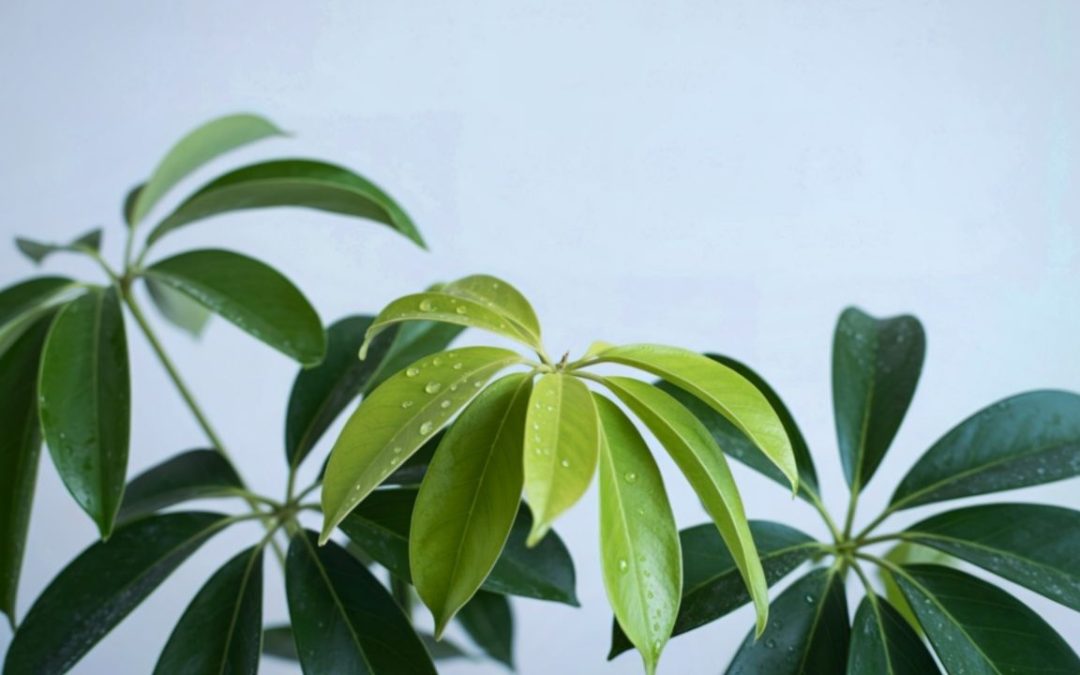
The Schefflera, commonly called Umbrella Tree, combines visual drama with practical resilience. Its lush, dense canopy and tree-like stature create immediate impact. Large, radiating leaflets form captivating patterns that soften architectural hard lines naturally.
This plant qualifies as a signature species for Southern California and Anaheim businesses. Professional evaluations rate it highly for productivity impact on standard assessment scales. It consistently achieves top composite wellness scores across multiple metrics.
Why is the Umbrella Tree commonly used in professional environments?
Biophilic design principles drive Umbrella Tree adoption in commercial spaces. The plant transforms sterile corporate environments into nature-infused settings effectively. Its vertical growth habit draws eyes upward, creating perceived spaciousness and grandeur.
This effect proves particularly valuable in open-plan offices or lobbies with high ceilings. Multiple specimens function as natural space dividers. They create privacy zones and delineate areas without requiring physical walls or permanent construction.
What characteristics make the Umbrella Tree suitable for long-term office placement?
Temperature requirements align perfectly with standard office climate control. The plant thrives between 60-75°F, matching typical HVAC settings. This compatibility ensures stable performance year-round without special accommodations.
Management considers the species both resilient and manageable for commercial settings. Its needs remain consistent and predictable. Professional maintenance protocols address requirements efficiently without complicated interventions.
Why Do Offices Use Statement Plants Instead of Smaller Desk Plants?
Scale affects how plants influence space perception and function. Larger specimens deliver benefits smaller plants cannot match.
How do larger plants influence how an office space feels?
Multiple Umbrella Trees create natural space division without walls. They provide perceived privacy while maintaining collaborative openness. This balance proves difficult to achieve through furniture or construction alone.
Visual impact transforms entire space perception rather than affecting isolated areas. Statement plants command attention and organize visual fields. They guide eye movement and create intentional design hierarchies throughout facilities.
Why visual anchors matter in calm, organized workplaces
Large vertical elements provide focal points that structure visual environments. They help employees orient themselves in expansive open layouts. Statement plants contribute to organizational clarity through physical presence.
This creates a sense of order without rigidity. Professional interior plant design uses these principles to balance openness with definition. The result supports both focus and collaboration.
How statement plants support professional presentation without clutter
Single large plants create cleaner visual impact than scattered small specimens. This reduces clutter while maximizing green presence. Professional environments signal quality through intentional, organized design choices.
Statement pieces command attention without overwhelming spaces. They demonstrate commitment to employee wellness and environmental quality. The visual message matters in client-facing areas and employee spaces alike.
What Office Conditions Does an Umbrella Tree Need to Stay Healthy?
Environmental requirements determine placement success. Understanding needs prevents decline and maximizes benefits.
What lighting conditions support steady Umbrella Tree growth indoors?
Umbrella Trees thrive in bright, indirect light conditions. Placement near windows in Anaheim office buildings works well with proper positioning. Direct sun exposure must be avoided to prevent leaf burn and stress.
Window-adjacent locations provide ideal conditions when plants remain shielded from intense afternoon rays. Southern and western exposures require careful positioning or filtering. Northern and eastern windows typically offer appropriate light levels.
How do temperature stability and air circulation affect performance?
The 60-75°F range matches standard commercial climate control perfectly. Stable temperatures prevent stress that triggers decline. Office HVAC systems typically maintain suitable conditions without adjustment.
Adequate air circulation supports plant health without causing direct draft stress. Position away from heating and cooling vents that create temperature extremes. General room air movement suffices for optimal performance.
What space and clearance requirements prevent crowding and damage?
Mature canopies require 3-5 feet of clear space in all directions. Overhead clearance must accommodate full height potential. Root systems need appropriately sized containers that support top growth without instability.
Growth patterns demand consideration during initial placement planning. Anticipate mature size rather than current dimensions. This prevents crowding issues and relocation stress later.
How Can Umbrella Trees Support Calm and Productivity at Work?
Research demonstrates measurable benefits from office plants. Umbrella Trees deliver these advantages at scale.
How do plants influence stress levels and visual comfort?
A 2022 meta-analysis by Han and colleagues synthesized 42 studies on indoor plants. Results showed statistically significant reduction in diastolic blood pressure averaging 2.53 mmHg in planted environments. This represents meaningful physiological stress reduction.
University of Exeter research found enriching lean offices with plants increased productivity up to 47%. The Han meta-analysis also demonstrated significant positive effects on cognitive achievement with an effect size of 0.534. Primary psychological benefits include increased positive emotions and reduced negative feelings.
Why taller greenery supports focus better than scattered small plants
Natural visual stimuli provide micro-restorative breaks from concentrated work. These brief mental pauses help employees recover from cognitive load. The effect leads to improved sustained attention and higher quality output.
Workers in plant-rich environments perform tasks faster and make fewer errors. This productivity boosts compounds throughout workdays and across entire organizations. Taller plants create stronger visual presence delivering greater impact.
How consistent plant appearance supports predictable work environments
Reliable visual presence reduces subconscious environmental monitoring. Healthy, stable plants don’t trigger concern or demand attention. They become part of the calming baseline rather than active stimuli requiring processing.
This predictability reduces environmental stressors competing for mental resources. Employees can focus on work rather than tracking changing conditions. Consistent greenery supports rather than disrupts concentration.
What Role Do Umbrella Trees Play in Indoor Air Quality?
Air quality affects comfort and health directly. Umbrella Trees contribute through multiple mechanisms.
How do interior plants interact with common office air concerns?
Plants function as natural air purifiers filtering volatile organic compounds while producing oxygen. The Umbrella Tree acts as a natural humidifier through transpiration. Mature specimens release significant moisture into surrounding air.
This helps counteract dry conditions HVAC systems create. The effect proves particularly valuable in Southern California’s arid climate. Indoor humidity affects respiratory comfort, skin condition, and general well-being.
What realistic air-related benefits should offices expect?
Transpiration increases ambient humidity measurably. This alleviates dry eyes, skin irritation, and respiratory discomfort associated with air-conditioned spaces. Employees report improved comfort and reduced physical complaints.
Schefflera plants specifically excel at moisture release due to large leaf surface area. Reduced eye strain and fewer dry air complaints represent notable benefits in arid Southern California. Lower stress levels correlate with more robust immune responses.
Why Umbrella Trees work best as a complement to HVAC systems
Plants work alongside mechanical systems rather than replacing them. They address humidity concerns HVAC typically doesn’t handle. This creates multi-layered environmental quality approaches.
Mechanical systems provide primary climate control. Plants deliver microclimate benefits in specific areas. Together they create more complete indoor environmental solutions than either achieves alone.
What Are the Advantages and Limitations of Umbrella Trees in Offices?
Understanding both strengths and challenges enables informed decisions. Realistic expectations prevent disappointment.
What benefits make Umbrella Trees a popular office choice?
Large, broad leaves effectively buffer noise in offices. They absorb and scatter sound waves, reducing reverberation and echo. Modern offices with hard surfaces commonly struggle with acoustic problems.
This contributes to quieter, more focused work environments. The plant also functions as a natural space divider creating zones without construction. Combined benefits make Umbrella Trees valuable beyond simple decoration.
What common challenges should offices plan for?
Umbrella Trees require more attention than drought-tolerant species like ZZ Plants. They prefer consistent moisture, typically needing water every 7-10 days. This demands more regular maintenance than some alternatives.
Bright, indirect light requirements limit placement options compared to low-light tolerant species. Larger size requires more floor space and clearance. Plants may outgrow allocated spaces over time requiring relocation or replacement.
When is an Umbrella Tree not the right plant for a workspace?
Low-light interior offices without windows cannot support healthy Umbrella Trees. Spaces with inconsistent temperatures or strong drafts create stress. Areas where mature size would obstruct circulation or sightlines prove unsuitable.
Offices unable to maintain consistent watering schedules should choose drought-tolerant alternatives. Locations with limited floor space cannot accommodate mature specimens safely. Honest assessment of conditions prevents failures and wasted investment.
How Should Offices Plan Umbrella Tree Placement Before Installation?
Upfront planning prevents problems and maximizes benefits. Strategic thinking pays long-term dividends.
What factors should be evaluated before choosing placement?
Assess available natural light from windows first. Measure ceiling height and overhead clearance accurately. Map floor space and circulation patterns throughout areas.
Note proximity to HVAC vents and temperature variation zones. Ensure maintenance access for watering and care activities. These factors determine placement viability and long-term success.
How do foot traffic and workflow affect placement decisions?
High-traffic areas require placement that doesn’t impede circulation flow. Consider sightlines for wayfinding and safety compliance. Balance visibility with functional space needs.
Position plants to create zones without blocking movement paths. Account for mature canopy spread when planning clearances. People naturally avoid walking into foliage, effectively narrowing passages.
Why planning placement reduces early plant decline
Proper initial placement eliminates stressful relocation needs. Plants establish better when conditions suit from the start. Adequate light from day one prevents stretching and weakness.
Avoiding temperature extremes prevents cumulative stress damage. Reducing mechanical damage from poor positioning extends a healthy lifespan. Planning costs nothing but saves significantly long-term.
Where Should Umbrella Trees Be Placed in Office Layouts?
Specific locations deliver maximum impact and health. Strategic positioning matters more than quantity.
Where do Umbrella Trees work best in reception areas and lobbies?
Reception areas and lobbies provide ideal conditions for statement plants. These spaces typically feature high ceilings and abundant natural light. Umbrella Trees serve as powerful focal points creating immediate positive impressions.
Statement presence reinforces professional brand image effectively. Research suggests optimal density of 3-4 plants per 100 square feet, or one small and one large plant per 65 square feet. Lobbies often accommodate larger specimens that would overwhelm interior spaces.
Where do they fit best in open offices and private suites?
Open office layouts benefit from Umbrella Trees as natural space dividers between zones. Corner placement creates privacy without permanent walls or construction. Strategic positioning provides spatial definition, noise buffering, and visual impact simultaneously.
Private suites require window proximity for adequate light. Conference rooms gain enhanced collaborative atmosphere from calming plant presence. Each space type leverages different Umbrella Tree characteristics based on functional needs.
How far should Umbrella Trees be from walkways and entrances?
Maintain minimum 2-3 feet clearance from primary walkways. Avoid placement directly adjacent to doors that swing open. Calculate clearance based on mature canopy spread rather than current size.
Prevent leaf damage from repeated contact with passing traffic. People instinctively avoid brushing against foliage. Insufficient clearance effectively narrows passages below comfortable widths.
How Does Container and Size Selection Affect Umbrella Tree Performance?
Container choices influence stability, health, and maintenance requirements. Poor selection causes predictable problems.
How does plant size influence stability and maintenance needs?
Larger plants require proportionally larger containers for stability. Mature specimens create top-heavy weight distribution requiring substantial base support. Size directly affects watering frequency and volume requirements.
Growth rate determines reporting schedule and long-term space planning. Undersized plants in oversized containers look disproportionate. Match container scale to current plant size while anticipating growth.
Why container weight and drainage matter in offices
Heavy containers prevent tipping but complicate relocation significantly. This creates a semi-permanent placement commitment. Adequate drainage prevents root rot that kills plants quickly.
Saucers protect flooring from water damage and staining. Weight considerations affect floor load capacity in some buildings. Confirm structural adequacy before installing very large specimens.
How poor container choices lead to tipping or decline
Too-small containers cause instability creating tipping hazards. Inadequate drainage creates overwatering damage even with correct watering frequency. Poor soil volume restricts root growth limiting plant health and size.
Improper container sizing accelerates decline and increases maintenance burden. These problems compound over time. Initial investment in appropriate containers prevents ongoing issues.
What Maintenance Does an Umbrella Tree Require in a Commercial Setting?
Regular care maintains health and appearance. Professional plant services ensure consistency.
How often should Umbrella Trees be watered indoors?
Consistent moisture suits Umbrella Trees best. Typical watering occurs every 7-10 days in office conditions. This exceeds requirements for drought-tolerant species significantly.
Soil should remain slightly moist but never waterlogged. Frequency varies with season, humidity, and individual plant size. Professional services adjust schedules based on actual conditions rather than rigid calendars.
What pruning and cleaning keeps them looking professional?
Regular pruning maintains intended shape and controls size. Leaf cleaning removes dust that reduces photosynthesis efficiency. This improves both appearance and function.
Remove dead or yellowing leaves promptly. This prevents aesthetic decline and redirects energy to healthy growth. Pruning prevents overgrowth that creates a crowded, unprofessional appearance.
How pest management is handled without workplace disruption
Schedule treatments during off-hours to avoid disturbing operations. Use low-odor, low-toxicity products appropriate for occupied spaces. Early detection prevents major infestations requiring aggressive intervention.
Regular inspections identify problems before they escalate visibly. Integrated pest management approaches minimize chemical use. Prevention through proper care reduces pest occurrence significantly.
When Should Umbrella Trees Be Adjusted, Rotated, or Replaced?
Plant lifecycle management maintains consistent quality. Proactive intervention prevents obvious decline.
What early signs indicate stress or decline?
Leaf drop beyond normal lower leaf loss signals problems. Yellowing or browning foliage indicates stress or disease. Stunted growth or failure to produce new shoots suggests inadequate conditions.
Persistent pest infestations despite treatment indicate weakened plants. Leggy growth stretching toward light reveals insufficient illumination. Address these signs quickly before visible decline becomes obvious.
When relocation improves plant health
Insufficient light causes characteristic stretching toward light sources. Temperature stress from vents or drafts creates localized damage. Overcrowding as plants mature restricts growth and air circulation.
Office layout changes may create better placement options. Relocation during mild stress prevents full decline. Move plants during cooler months when stress risk is lower.
Why proactive replacement supports consistent appearance
Professional environments require consistently healthy specimens. Declining plants create negative impressions outweighing previous benefits. Planned replacement proves less disruptive than emergency removal.
This maintains continuous wellness benefits without gaps. Visitors and employees notice plant quality consciously or subconsciously. Quality standards matter in professional presentation.
Which Types of Offices Benefit Most From Umbrella Trees?
Certain environments maximize Umbrella Tree advantages. Understanding fit improves outcomes.
Why professional offices and corporate spaces are strong fits
Controlled climates suit Umbrella Tree requirements perfectly. Professional aesthetics align with corporate standards naturally. Employee density maximizes wellness benefits per plant installed.
Adequate floor space accommodates mature specimens safely. Window access provides necessary light for healthy growth. These factors combine to make corporate offices ideal environments.
How healthcare and hospitality spaces use statement plants differently
Healthcare facilities focus placement on patient-facing waiting areas. Visual impact supports healing environments and reduces patient anxiety. Hospitality emphasizes guest impressions in lobbies and public spaces.
Different maintenance protocols serve public versus private areas. Higher visibility demands impeccable appearance standards. Statement plants support brand image in client-facing businesses directly.
Why facility managers value predictable growth and maintenance
Consistent care requirements support accurate budget planning. Predictable growth patterns enable long-term space planning. Standard maintenance protocols work efficiently across multiple locations.
Reliable performance reduces management oversight requirements. This allows managers to focus on other priorities. Predictability creates operational efficiency and cost control.
How Can Offices Add Umbrella Trees Without Adding Staff Work?
Professional services eliminate internal burden. Strategic partnerships deliver benefits without complications.
Why professional evaluation prevents trial-and-error placement
Experts assess light, space, and environmental factors comprehensively. Proper initial placement prevents costly mistakes and replanting. Professional knowledge of growth patterns and requirements guides decisions.
This eliminates learning curves for office staff. Specialists understand both plant needs and office operational requirements. Balanced solutions serve both sets of needs effectively.
How structured installation avoids disruption
Coordinated scheduling minimizes operational impact during installation. Efficient processes reduce installation time significantly. Professional handling prevents damage to plants, floors, walls, and furniture.
After-hours installation options eliminate workflow interruption entirely. Employees arrive to complete installations. This prevents distraction and maintains productivity throughout implementation.
Why scheduled maintenance keeps plants reliable long-term
Regular professional care maintains health and appearance continuously. This prevents common mistakes leading to decline. Consistent quality across all specimens creates uniform positive impact.
Plant care burden remains entirely external to office staff. Facilities managers monitor results rather than performing work. Plants remain assets rather than tasks competing for attention.
Final Thoughts: Using Umbrella Trees as Reliable Statement Plants at Work
Research validates plant benefits in commercial environments. Umbrella Trees deliver these advantages at a meaningful scale.
Why thoughtful planning delivers better results
Proper species selection and placement from the start prevents problems. Consideration of long-term growth and space needs avoids future complications. Integration with overall office design strategy creates cohesive environments.
Initial planning investment prevents exponentially larger future costs. Rushed decisions create ongoing problems. Thoughtful approaches succeed long-term.
How consistent care protects long-term value
Regular maintenance preserves initial investment value. Professional care ensures sustained wellness benefits. This prevents decline that negates initial expense.
Wellness benefits flow continuously with proper care. Employees experience cumulative positive effects. Consistent quality maintenance protects both financial and functional value.
What the next step looks like for offices considering Umbrella Trees
Begin with professional assessment of space and current conditions. Schedule design consultation for optimal placement planning. Coordinate installation with minimal operational disruption.
Implement structured maintenance programs ensuring long-term success. Contact professional services to start planning your workplace transformation.
Transform Your Office With Statement Plant Expertise
Your workspace deserves plants that deliver both beauty and function. Mr. PlantSoCal specializes in designing and maintaining interior plant systems for professional offices. Our team handles everything from assessment through ongoing care, ensuring Umbrella Trees thrive while supporting your wellness goals.
Ready to create calmer, more productive workspaces? Contact Mr. PlantSoCal today. We’ll evaluate your environment, recommend optimal Umbrella Tree placement, and implement maintenance programs keeping your office professional and wellness-focused year-round.

