Key Takeaways:
- Closed terrariums recycle their own water requiring minimal intervention while open terrariums suit drought-tolerant succulents needing infrequent watering.
- Proper layering with 1-2 inch drainage, activated charcoal, and appropriate soil prevents most terrarium failures in office environments.
- Research shows terrarium implementation delivers 37% stress reduction, 20% creativity increases, and decreased sick days in commercial workspaces.
- Overwatering remains the most common terrarium failure mode—always check soil moisture before adding water regardless of schedule assumptions.
- Professional maintenance proves cost-effective when staff time and replacement costs factor into total ownership calculations for scaled installations.
Terrariums transform ordinary desks into miniature ecosystems. These self-contained gardens deliver measurable wellness benefits while requiring minimal maintenance. For offices seeking calm, focused environments without intensive plant care, terrariums offer proven solutions.
This guide provides actionable frameworks for implementing terrarium programs that enhance productivity while reducing maintenance burdens. Research-backed strategies ensure successful installations across diverse commercial environments.
What Are Plant Terrariums, and Why Are They Used in Workspaces?
Terrariums represent a specific category of contained plant displays designed for professional environments. Understanding their fundamental characteristics helps businesses make informed implementation decisions.
What defines a plant terrarium in a commercial interior setting?
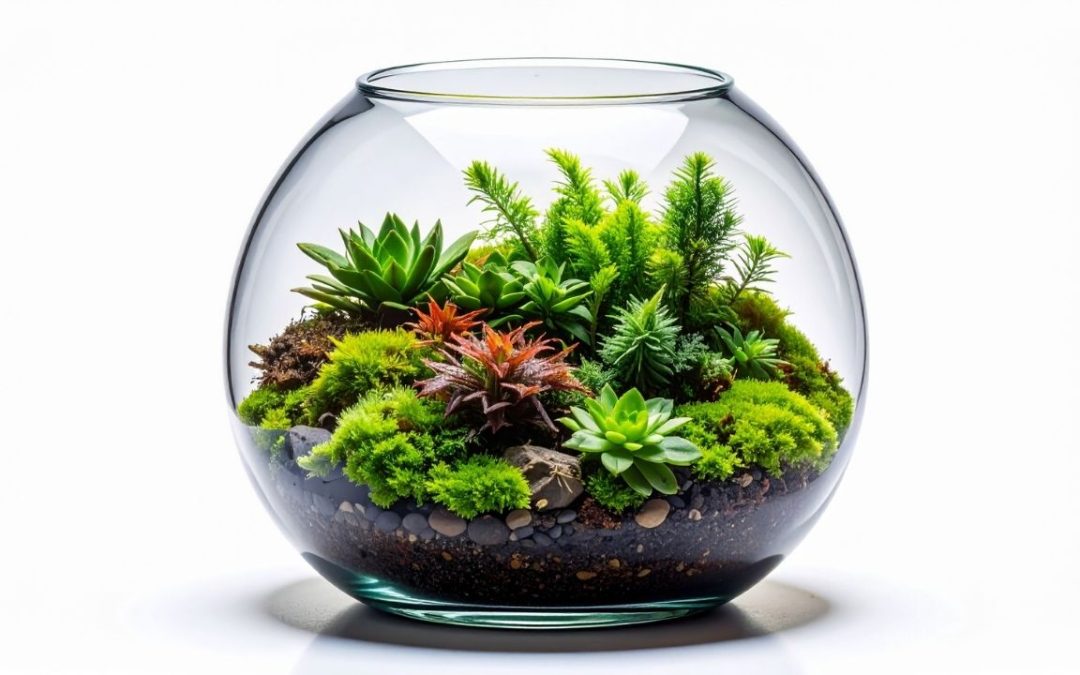
Terrariums are miniature, self-contained ecosystems housed in clear glass containers ranging from simple jars to specialized vessels. Each functions as an enclosed garden through specific functional layers: drainage, charcoal, and soil. Clear glass showcases plant composition while protecting specimens from environmental stress.
Why are terrariums commonly chosen for offices instead of traditional potted plants?
Terrariums prove incredibly low-maintenance, ideal for busy professionals. Once established, they require minimal care. Closed terrariums recycle water, needing very sparing intervention. Open terrariums need watering only when soil dries. This reduced demand suits commercial environments lacking dedicated horticultural staff.
What types of workspaces benefit most from terrarium installations?
Individual office desks benefit from small desktop terrariums providing personal focal points. Common areas and meeting rooms accommodate larger terrarium installations without compromising functionality. Reception areas utilize terrariums as welcoming focal points for visitors. Workspaces seeking measurable stress reduction and improved focus demonstrate the strongest return on terrarium investments. Professional plant services can assess which workspace configurations maximize terrarium effectiveness.
Why Do Terrariums Support Calm and Productivity in Offices?
Research demonstrates clear connections between contained greenery and workplace performance. Terrariums deliver specific psychological and environmental benefits distinct from traditional plant installations.
How do contained plant environments reduce visual clutter in workspaces?
Self-contained design eliminates loose soil, watering mess, and plant debris. Clear glass containers showcase organized arrangements complementing professional aesthetics. Terrariums provide refreshing breaks from screens without introducing visual chaos. Small green oases create calm without sacrificing workspace functionality.
Why do small-scale greenery features influence focus and comfort?
A tech startup case study documented 37% reduction in self-reported stress levels within six months of terrarium introduction. The same study demonstrated a 20% increase in creative problem-solving among employees with desk terrariums. The act of creating and tending terrariums provides meditative, stress-relieving activity during work breaks. Beauty and intricacy of well-designed terrariums inspire creativity and new ideas throughout the workday.
How do terrariums fit into professional interior design standards?
Terrariums coordinate with decorative elements like moss, small figurines, or decorative stones for cohesive design integration. Clear glass aesthetic complements modern office design without introducing conflicting visual elements. Compact footprint suits professional desk environments where space commands premium value. Terrarium composition can be optimized for both visual appeal and plant compatibility through strategic interior plant design principles.
What Environmental Conditions Affect Terrariums in Office Buildings?
Office buildings create controlled but variable microclimates. Understanding these conditions ensures terrarium longevity and prevents common implementation failures.
How does typical office lighting impact terrarium performance?
Different plant types require specific light conditions for success. Succulents in open terrariums need bright, indirect light. Ferns and mosses in closed terrariums tolerate lower light conditions. Natural light availability determines appropriate plant selection. Windowless corridors demand different species than perimeter desks.
How do HVAC systems and indoor climate control affect terrariums?
Closed terrariums create high humidity environments suitable for moisture-loving plants. Open terrariums adapt better to standard office climate control. Temperature-stable environments support consistent performance. HVAC systems cause excessive drying in open designs near vents. Strategic placement away from airflow prevents moisture stress.
Why does foot traffic matter when selecting and placing terrariums?
Glass containers are fragile and require stable placement away from high-traffic zones. Desktop terrariums need secure positioning preventing displacement. Shared workspaces require protective placement given multiple user interaction. Conference rooms benefit from central table positioning where visibility remains high but collision risk stays low.
Which Types of Terrariums Are Appropriate for Professional Workspaces?
Two primary terrarium categories suit different office conditions. Selection depends on environmental factors and maintenance capacity rather than purely decorative goals.
What is an open terrarium, and when does it work best in offices?
Open terrariums work best with drought-tolerant succulents and cacti. They require a well-draining cactus mix preventing root rot. Watering occurs only when soil becomes completely dry. Popular choices include Echeveria, Haworthia, and Gasteria—species tolerating neglect better than frequent intervention.
What is a closed terrarium, and when is it suitable for workplaces?
Closed terrariums suit ferns and mosses appreciating high humidity. Small ferns like Maidenhair or Bird’s Nest Fern thrive in closed systems. They require very sparing watering as containers recycle water through condensation. Standard potting mix provides appropriate soil. Mosses add lush carpet to container bases while tolerating low light.
How do terrarium styles differ for desks, shared areas, and reception spaces?
Desktop terrariums feature compact designs suitable for individual workstations without overwhelming limited surface area. Larger terrarium vessels work for reception area focal points where visual impact matters more than space efficiency. Air Plants (Tillandsia) don’t require soil and can be placed directly on decorative elements for unique displays. Meeting room terrariums incorporate mixed plant types for visual interest appropriate to professional gathering spaces. Scale and complexity should match the viewing distance and maintenance accessibility of each location.
Which Plants Work Best in Office Terrariums?
Plant selection determines terrarium success more than container choice or decorative elements. Appropriate species tolerate office conditions while maintaining professional appearance over time.
Which plants tolerate low to moderate office lighting conditions?
Ferns including Maidenhair Fern and Bird’s Nest Fern adapt to lower light closed terrariums common in interior office zones. Mosses thrive in low to moderate indirect light conditions without showing stress symptoms. Air Plants (Tillandsia) demonstrate flexibility across lighting conditions from low to bright indirect. Plant selection must match actual available office lighting for long-term success rather than aspirational lighting hopes. Similar principles apply to jade plants for office spaces, though they require different container strategies.
Which plants maintain a clean, compact appearance over time?
Succulents like Echeveria, Haworthia, and Gasteria maintain structured, compact forms without aggressive spreading. Mosses provide consistent low-profile coverage that won’t outgrow container boundaries. Small fern varieties remain contained within terrarium boundaries when properly sized initially. Slow-growing species prevent overgrowth requiring frequent pruning and maintenance intervention. Professional appearance demands plants that stay tidy without constant trimming.
Which plant characteristics reduce maintenance needs in offices?
Drought-tolerant succulents require infrequent watering—sometimes only monthly. Air Plants need no soil, simplifying composition and eliminating soil-related maintenance. Moss requires minimal care once established. Self-contained closed systems reduce watering frequency dramatically. Species selection based on maintenance tolerance prevents long-term care burdens.
What Materials Are Required for Building Office-Friendly Terrariums?
Quality materials prevent common terrarium failures. Each layer serves specific functional purposes beyond aesthetic considerations.
Which container types are safest and most practical for workplaces?
Clear glass containers with wide openings facilitate easy construction and ongoing maintenance access. Specialized terrarium vessels offer professional aesthetic appeal justifying higher initial investment. Simple glass jars provide cost-effective alternatives for desktop installations and pilot programs. Container selection should prioritize stability and safety in office environments over purely decorative appeal. Weighted bases prevent tipping from minor contact.
What functional layers are required inside a terrarium, and why?
Drainage layer consists of 1-2 inch layers of small stones or pebbles preventing waterlogged roots that cause rot. Charcoal layer uses a thin layer of activated charcoal keeping terrarium fresh and preventing mold and bacteria growth. Soil layer requires potting soil appropriate for chosen plants—cactus mix for succulents, standard mix for ferns. Layering sequence proves critical for long-term terrarium health and proper moisture management. Skipping layers to save time guarantees eventual failure.
Which materials help prevent mess, odor, and long-term issues?
Activated charcoal prevents growth of mold and bacteria that create hygiene concerns in office environments. Proper drainage layer prevents water accumulation and root rot causing plant death and odor. Well-draining cactus mix for succulents prevents moisture-related problems in open terrariums. Appropriate soil selection based on plant type reduces maintenance issues and extends viable lifespan. Investment in correct materials upfront prevents expensive replacement cycles.
How Do You Build a Terrarium for a Professional Workspace?
Construction methodology determines initial success and long-term viability. Systematic approach prevents common amateur mistakes that undermine professional installations.
How should containers be selected based on workspace layout?
Desktop spaces require compact containers with stable bases. Shared areas accommodate larger statement vessels where visual impact justifies footprint. Wide openings facilitate easier plant arrangement and maintenance. Clear glass showcases composition and layered substrate. Container proportions should match viewing angles.
How should drainage and base layers be assembled correctly?
Place 1-2 inch layers of small stones or pebbles at bottom for drainage. Add a thin layer of activated charcoal on top. Add appropriate soil: cactus mix for succulents, standard mix for ferns. Proper layering prevents waterlogging and supports long-term health. Each layer serves a distinct function—skipping layers causes failures.
How should plants be positioned to support longevity and balance?
Carefully remove plants from pots before arrangement. Give plants enough space to prevent overcrowding. Position taller plants toward back or center depending on viewing angle. Add decorative elements after plant positioning. Balance negative space with planted areas for professional appearance.
How much moisture should be added during initial setup?
Water lightly during setup avoiding oversaturation. Open terrariums require watering when soil dries—test with finger. Closed terrariums need very sparing water as containers recycle moisture. Initial moisture level sets foundation for ongoing patterns. Overwatering during setup proves harder to correct than gradual addition.
How should a new terrarium be stabilized during its first weeks indoors?
Monitor soil moisture levels closely during establishment period before plants acclimate to container conditions. Observe plant response to determine if placement adjustments needed for light or temperature. Allow closed terrariums to establish moisture cycle before adding any additional water. Position in appropriate light conditions based on plant selection rather than available desk space. First two weeks reveal whether construction and placement decisions will support long-term success.
Where Should Terrariums Be Placed in Offices for Best Results?
Placement strategy determines whether terrariums thrive or merely survive. Location affects light exposure, temperature stability, and maintenance accessibility simultaneously.
Where do terrariums work best in open-plan offices?
Individual desks benefit from small desktop terrariums as personal focal points reducing stress. Shared workstations incorporate terrariums on stable surfaces away from movement and activity zones. Open-plan environments offer flexibility for distributed terrarium placement across multiple locations. Consider sight lines and accessibility when positioning in open layouts for maximum visual impact. Multiple small terrariums often outperform single large installations in open configurations.
How should terrariums be used in conference rooms and reception areas?
Reception areas feature larger terrarium installations as welcoming focal points for clients and visitors. Conference room table centers accommodate medium-sized terrariums without interfering with meeting materials. Meeting spaces benefit from calming presence during discussions and decision-making sessions. Professional aesthetics require coordinated design elements matching existing décor and branding. Central positioning maximizes visibility while minimizing accidental contact risk.
Where should terrariums be avoided due to environmental stress?
Direct sunlight exposure overheats glass containers and damages plants through extreme temperature spikes. Areas with temperature fluctuations near doors, windows, and HVAC vents create constant stress. High-traffic zones increase risk of accidental displacement or breakage from routine movement. Completely dark areas prevent even low-light plants from thriving through photosynthesis. Environmental stress locations guarantee short terrarium lifespan regardless of quality construction.
How Are Terrariums Maintained in Commercial Workspaces?
Maintenance protocols determine whether terrariums deliver sustained benefits or become neglected decorations. Systematic approaches prevent common failure modes while minimizing staff burden. Professional plant maintenance services provide consistent care when in-house capacity proves insufficient.
How often should office terrariums be watered and inspected?
Open terrariums require watering when soil becomes dry—typically weekly to bi-weekly depending on conditions. Closed terrariums need very sparing watering due to self-recycling moisture—sometimes monthly or less. Regular visual inspection identifies issues before they escalate into terrarium failure. Overwatering remains the most common cause of terrarium failure in office environments. Weekly visual checks with monthly watering assessments provide adequate oversight for most installations.
How do you manage condensation, mold, or algae buildup?
Activated charcoal layer helps prevent mold and bacterial growth when included during construction. Proper drainage prevents water accumulation encouraging mold, algae, and root rot. Excessive condensation in closed terrariums may require temporary opening for air circulation. Regular inspection allows early intervention for growth issues before they become visible problems. Opening closed terrariums briefly every few weeks prevents excessive moisture accumulation.
How can routine maintenance stay unobtrusive for office staff?
Low-maintenance nature means minimal disruption to work activities and daily routines. Once established, terrariums require very little care compared to traditional plant installations. Simple inspection and occasional watering sufficient for most installations without specialized knowledge. Professional maintenance services handle care without staff involvement or workspace interruption. Scheduled service during off-hours maintains terrarium health invisibly to occupants.
What Problems Commonly Occur with Office Terrariums?
Three primary failure modes account for most terrarium problems in commercial settings. Recognition and prevention strategies minimize losses and replacement costs.
What causes plant decline inside office terrariums?
Insufficient light prevents even low-light tolerant plants from thriving and maintaining health. Improper plant selection for terrarium type—open versus closed—causes environmental stress and decline. Lack of adequate space for growth leads to overcrowding, competition, and eventual death. Inappropriate soil type for selected plants undermines root health and nutrient uptake. Matching plants to actual conditions rather than desired aesthetics prevents most decline.
How does overwatering occur in controlled indoor environments?
Overwatering remains the most common cause of plant failure in terrariums across all office types. Closed terrariums prove especially vulnerable due to moisture recycling amplifying watering errors. Always check soil moisture before adding water regardless of schedule assumptions. Allow the top inch or two of soil to dry completely between waterings for most species. Well-intentioned but uninformed care causes more damage than benign neglect in terrarium management.
What pests or hygiene issues can appear in workplace terrariums?
Pests including spider mites and mealybugs can occasionally emerge even in controlled environments. Regular inspection for pest signs enables early intervention before infestations spread. Isolate affected terrariums immediately and treat with appropriate insecticidal soap or neem oil. Activated charcoal helps prevent bacterial growth and hygiene issues in sealed environments. Most pest problems trace to contaminated plants or soil introduced during construction.
What Mistakes Should Businesses Avoid When Using Terrariums?
Three strategic errors undermine terrarium programs before implementation begins. Awareness prevents costly mistakes and false starts.
Why do decorative terrariums fail without maintenance planning?
Even low-maintenance systems require periodic inspection and care to remain viable. Lack of watering protocol leads to plant stress or death from neglect. Absence of designated maintenance responsibility causes diffusion of accountability and eventual failure. Planning maintenance schedules before installation prevents confusion and ensures continuity. Decorative appeal without operational planning guarantees short-lived installations.
How does improper plant selection increase long-term issues?
Placing moisture-loving ferns in open terrariums causes decline from insufficient humidity. Using succulents in closed terrariums leads to rot from excessive humidity and moisture. Selecting high-light plants for low-light offices guarantees gradual failure regardless of care. Mismatched plant and environment combinations require constant intervention or replacement. Species selection should follow environmental assessment rather than aesthetic preferences alone.
Why does poor placement shorten terrarium lifespan?
Complete darkness prevents photosynthesis even in shade-tolerant species requiring replacement. Direct sunlight overheats glass containers, essentially cooking plants inside despite watering. Unstable surfaces in high-traffic areas lead to accidents and breakage destroying investments. Proximity to cold drafts or HVAC vents creates temperature stress and inconsistent conditions. Initial placement decisions determine whether terrariums survive measured in months or years.
How Can Terrariums Be Scaled Across Offices Without Added Oversight?
Scaling terrarium programs requires systematic approaches preventing individual attention for each installation. Standardization and professional support enable growth without proportional overhead increases.
How can terrarium designs be standardized across multiple spaces?
Using consistent plant species simplifies care protocols across all installations. Standardized container types reduce training requirements for maintenance staff or service providers. Uniform composition including drainage, charcoal, and soil layers ensures predictable performance. Bulk material purchasing reduces per-unit costs for multiple installations significantly. Standardization sacrifices some aesthetic variety for operational efficiency and reliability.
When is professional maintenance more practical than in-house care?
Large-scale installations across multiple office locations benefit from professional services’ expertise and efficiency. Professional maintenance prevents failures and ensures consistency impossible with volunteer staff. Expert care allows staff to enjoy benefits without a care burden or learning curve. A law firm case study showed a 15% decrease in sick days with professional plant program implementation. Professional services prove cost-effective when staff time and replacement costs factor into total ownership calculations.
How do seasonal adjustments keep terrariums consistent year-round?
Closed terrariums require minimal seasonal adjustment due to self-contained nature buffering external changes. Open terrariums may need slight watering frequency changes as heating or cooling affects evaporation. Light conditions change seasonally, requiring placement evaluation or supplemental lighting additions. Temperature-stable offices minimize seasonal variation impact on terrarium performance. Annual review identifies whether adjustments needed rather than constant monitoring.
What Should Businesses Do Before Installing Terrariums in Workspaces?
Three preparatory steps optimize terrarium program outcomes and prevent common implementation failures. Planning precedes successful execution in commercial environments.
How should lighting and layout be evaluated in advance?
Assess natural and artificial light availability in proposed locations using light meters or observation. Match plant selection to actual light conditions rather than assumptions about adequacy. Consider desk layouts and stable surface availability for safe terrarium positioning. Evaluate sight lines and aesthetic integration with existing design elements and branding. Environmental assessment should precede rather than follow purchase and installation decisions.
When is the right time to introduce terrariums into an office?
Any time proves suitable given stable indoor climate control in modern office buildings. New office setups incorporate terrariums during initial design for maximum integration. Existing spaces benefit from gradual introduction to test reception and maintenance capacity. Biophilic design initiatives provide a framework for strategic terrarium implementation and expansion. Pilot programs in limited areas validate approaches before full-scale deployment.
Why does planning reduce disruption and replacement costs?
Proper initial plant selection prevents costly replacement cycles from mismatched conditions. Appropriate container choices eliminate accidents from unstable placement and breakage. Advance lighting evaluation ensures long-term plant viability without supplemental investments. Strategic planning delivers sustained benefits without ongoing troubleshooting and intervention. Upfront investment in assessment and quality materials reduces total cost of ownership significantly.
Create Thriving Workspaces With Professional Terrarium Solutions
Terrariums deliver measurable wellness and productivity benefits when properly implemented. Strategic selection, quality construction, and systematic maintenance transform glass containers into powerful workplace tools. Research demonstrates clear returns: 37% stress reduction, 20% creativity increases, and decreased sick days through biophilic integration.
Mr. PlantSoCal specializes in professional terrarium programs designed for Southern California commercial environments. Expert species selection, meticulous construction, and reliable maintenance ensure terrarium investments deliver sustained value. Stop struggling with trial-and-error approaches and implement proven systems that thrive. Contact Mr. PlantSoCal today to design custom terrarium solutions that enhance your workspace while eliminating maintenance burdens.

